

Lismore City Council has adopted its 2026-27 Operational Plan and Budget, outlining the priorities, projects and services that will guide its work over the next 12 months.
The budget totals $417.6 million and includes investment in infrastructure, service delivery, flood recovery and community programs, while maintaining a focus on financial sustainability, resilience and growth.
Mayor Steve Krieg said the budget supported Lismore’s development as a regional centre while addressing the pressures facing local government.
“This budget is about delivering for our community today while ensuring Council remains financially sustainable into the future,” Krieg said.
“We’ve listened to community feedback throughout the exhibition process and adopted a plan that supports the services people rely on, invests in important infrastructure and positions Lismore for continued growth.”
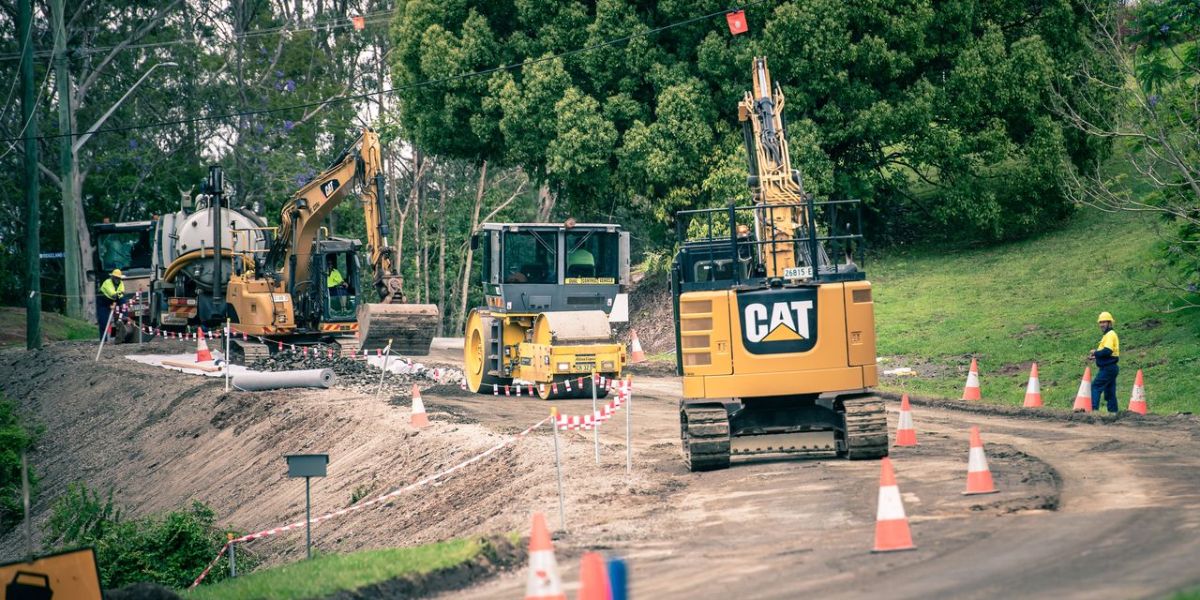
The operational plan includes funding for roads, drainage, water and wastewater infrastructure, waste services, community facilities and economic development initiatives.
Council has allocated $224.7 million for capital works, including roads, infrastructure, recovery projects and disaster preparedness measures.
Major flood recovery and restoration projects will continue alongside initiatives aimed at supporting housing, employment, investment and population growth.
Council also adopted a revised approach to planning for the city’s future waste management needs.
Under the new approach, council will broaden its assessment of future waste management options by pausing the current investigation pathway, increasing its focus on waste reduction and diversion initiatives, and working with neighbouring councils before determining any future direction.
Council said the community would continue to be informed as planning progresses and before any future decisions are made.
The budget incorporates funding secured through successful grant applications, including support for the Dunoon Road–Tweed Street corridor upgrade and the purchase of seven garbage trucks to modernise the council’s waste collection fleet.
Krieg said financial management remained a priority.
“Councils across Australia continue to face rising costs, increasing infrastructure demands and significant cost shifting from other levels of government. This budget demonstrates our commitment to delivering services efficiently while planning responsibly for the future.”
The budget also includes measures designed to ease cost-of-living pressures, including free waste vouchers, free library and gallery programs, subsidised access to pools and leisure facilities, and ongoing support for community organisations.
“We recognise the financial challenges many households are facing and have taken a considered approach to ensure residents can continue to access important services, facilities and community programs.”
Council received 117 submissions during the public exhibition period. Feedback was considered before the adoption of the Operational Plan, Budget, Long Term Financial Plan and associated documents.
The Long Term Financial Plan sets out a pathway to improved financial sustainability over the next decade while maintaining investment in essential infrastructure and community outcomes.
Rates, fees and charges adopted
As part of the budget process, council also adopted its 2026-27 Statement of Revenue Policy and Fees and Charges.
General rate increases have been aligned with the NSW Government’s 3.1 per cent rate peg, while targeted adjustments have been made to support the long-term sustainability of essential services. The freeze on inner CBD business rates will remain in place.
Council also adopted a range of fees and charges to support service delivery and the ongoing maintenance of infrastructure and community assets.
The adopted Operational Plan, Budget, Fees and Charges, and Long Term Financial Plan will be available on the council’s website from next week.
Don’t miss any of the important stories from around the region. Subscribe to our email list.