

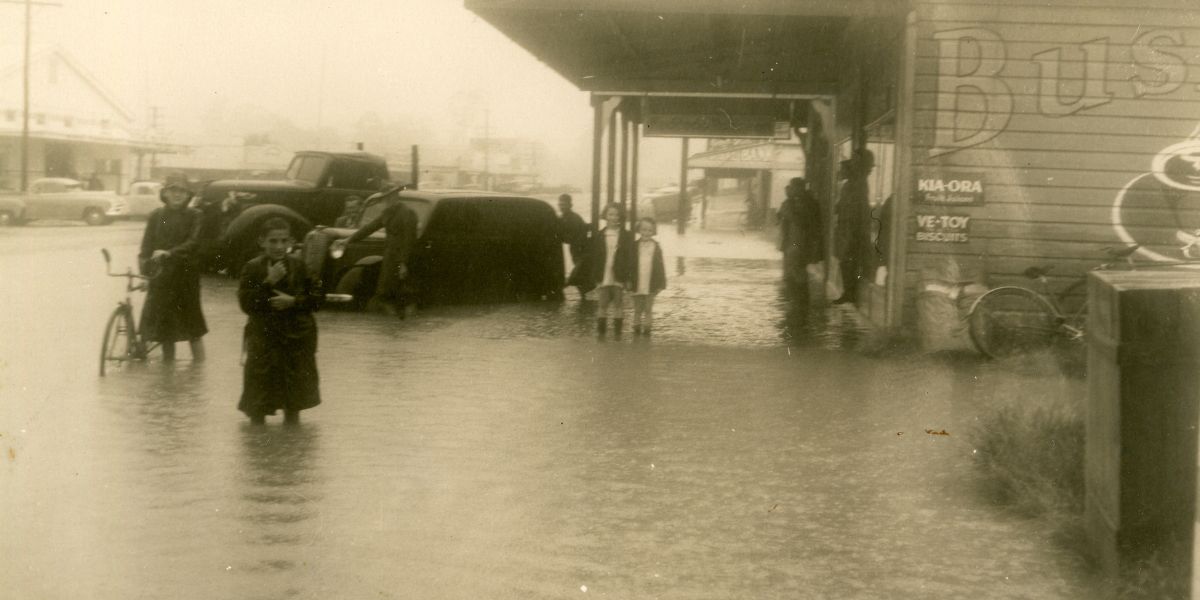
From floods to bushfires, regional Australia is no stranger to natural disasters, but the City of Coffs Harbour is concerned about the potential consequences of a proposed Australian Government change to disaster recovery funding for local government.
The Australian Government has flagged plans to replace the existing Disaster Recovery Funding Arrangements with a new Disaster Recovery Funding Framework. The key concern for councils is the proposed funding formula.
Under the current arrangements, the Commonwealth contributes between 64 and 75 per cent of disaster recovery funding, with the relevant state or territory government providing the balance.
Under the proposed framework, the Commonwealth’s contribution would fall to 50 per cent, with the state or territory government matching that amount.
“While we welcome reform and understand the need for reduced complexity in funding arrangements, there is a risk here that it could lead to unintended outcomes,” Mayor Nikki Williams said.
“The big concern from a local government perspective is that the NSW Government may seek to pass its funding shortfall onto councils, or that relief funding could be delayed which would obviously be a very poor result for local communities at a vulnerable time in the wake of a disaster,” Williams said.
“Of the three tiers of government, councils have the smallest of budgets and we’ve already faced many examples of cost-shifting across a variety of services over many years.
“Local Government NSW estimated cost-shifting was short-changing NSW Councils to the tune of $1.5 billion in 2023/24 alone – the equivalent of more than $490 per ratepayer annually. Enough is enough.”
At its meeting on 23 July, Coffs Harbour Council unanimously resolved to lobby against any changes that would result in further cost-shifting of disaster management funding to local government.
The City will write to the relevant Australian and NSW government ministers, local federal and state members, and Local Government NSW to outline its concerns.
“While our Local Government Area hasn’t experienced widespread flooding since the early 2000s we are far from immune from natural disaster. We were on the edge of Tropical Cyclone Alfred to our north and there was significant flooding in Nambucca and Kempsey shires to our south last year alone,” City Infrastructure Director Andrew Beswick said.
“The City has charge of $3.3 billion in community assets and our road, bridge and water infrastructure can be at particular risk in severe weather events – so reliable adequate emergency relief funding remains critical.”
At the Australian Local Government Association’s National General Assembly in Canberra last month, councils from across the country voted against proposals to change the Commonwealth-state disaster recovery funding split to 50:50.
ALGA president Matt Burnett said councils needed certainty that reforms to disaster recovery funding would strengthen, rather than weaken, their ability to help communities recover.
Like what you’re reading? Support North Coast Times by making a small contribution today and help us keep delivering local news paywall-free. Donate now