

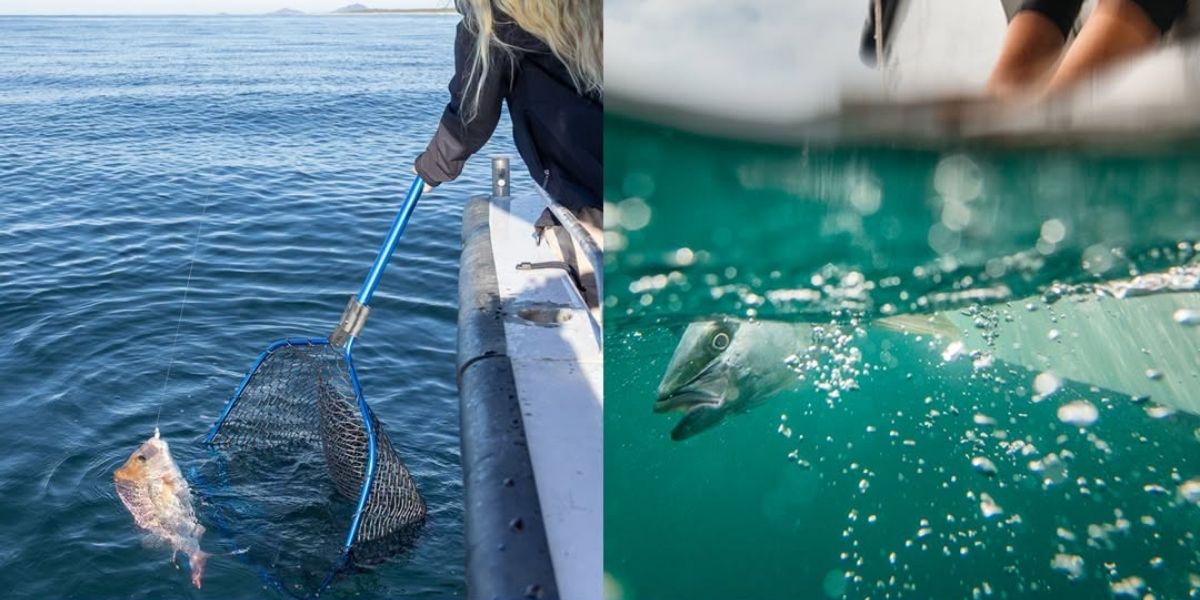
Fishers along the NSW North Coast and Mid North Coast have been given more time to respond to proposed changes to Yellowtail Kingfish and Snapper fishing rules.
The NSW Government has extended consultation on draft harvest strategies until February 15, 2027, following calls from commercial and recreational fishers and other stakeholders for more time to consider the proposals.
The strategies could significantly change how two popular species are managed, including tighter catch limits for recreational and commercial fishers.
Yellowtail Kingfish and Snapper are important species for recreational, charter and commercial fishing communities along the NSW coast.
The government says current assessments show the biomass of both species remains below desired target levels, with Yellowtail Kingfish stocks of particular concern.
Experts have assessed NSW Kingfish spawning biomass at 5.5 per cent of unfished levels, leading to the stock being classified as depleted.
While fishers continue to report catching small and medium-sized Kingfish, the government says not enough are surviving to breeding size.
Under the draft strategy, the total Kingfish catch would be reduced from about 250 tonnes to 120 tonnes, with the aim of rebuilding biomass to 20 per cent of unfished levels and returning the stock to sustainable status within about nine years.
Commercial fishers would face significantly reduced monthly catch limits, while a zero-take limit would apply outside the Line West and Line East sectors of the Ocean Trap and Line Fishery.
For recreational and charter fishers, the proposed bag and possession limit would be reduced to one Kingfish, with a boat limit of one.
A recreational catch-and-release season could also be introduced during the estimated Kingfish spawning period from November to January if further measures are needed to control catch levels.
Changes are also being considered for Snapper, another popular species among North Coast and Mid North Coast fishers.
Snapper stocks have been gradually rebuilding since reaching historically low levels in the 1990s and are considered sustainable, although biomass remains below long-term targets.
The draft strategy aims to increase Snapper biomass to 30 per cent of unfished levels by 2035 while keeping catches at about the current level of 300 tonnes a year.
Proposed measures include commercial monthly catch limits and a recreational bag and possession limit of three Snapper, with only one fish permitted over 70 centimetres.
The government says its assessments use advice from commercial and recreational fishers and independent experts through the Line & Trap Harvest Strategy Working Group, along with biological and fishery data including age, size, growth and spawning information.
All feedback received during consultation will be considered by the working group and the NSW Government before the strategies are finalised.
Minister for Agriculture and Regional NSW Tara Moriarty said the government believed action was necessary to rebuild Kingfish stocks.
“We’ve examined the science, we’ve consulted the experts, we’ve spoken to experienced fishers and the answer is clear – the stocks of breeding Kingfish are far too low. What the government is proposing is an action plan to rebuild kingfish stocks and long-term sustainability.” said Moriarty.
“This situation didn’t happen overnight. It came after a decade of neglect and inaction by the former National and Liberal government and that poor management has brought us to this critical point for yellowtail kingfish.
“Over the last few weeks online posts have sought to misinform fishers about the science behind the new assessments for the health of the yellowtail kingfish and snapper.
“The Government is responding by extending the consultation period, giving fishers and the community more time to consider the draft strategies based on science and facts, not misinformation.
“Kingfish are a fast-growing and fast-breeding species, and they respond quickly to measures. I’m confident we can see the stock return to sustainable levels if we introduce the tough measures in the draft strategy.
“I’m confident with the snapper harvest draft strategy that we can keep the momentum going to rebuild this important species for our commercial, recreational and Aboriginal fishers.”
Read all the way through to the end of the story? So did lots of other people. Advertise with North Coast Times to reach locals who are interested and engaged. Find out more here.