

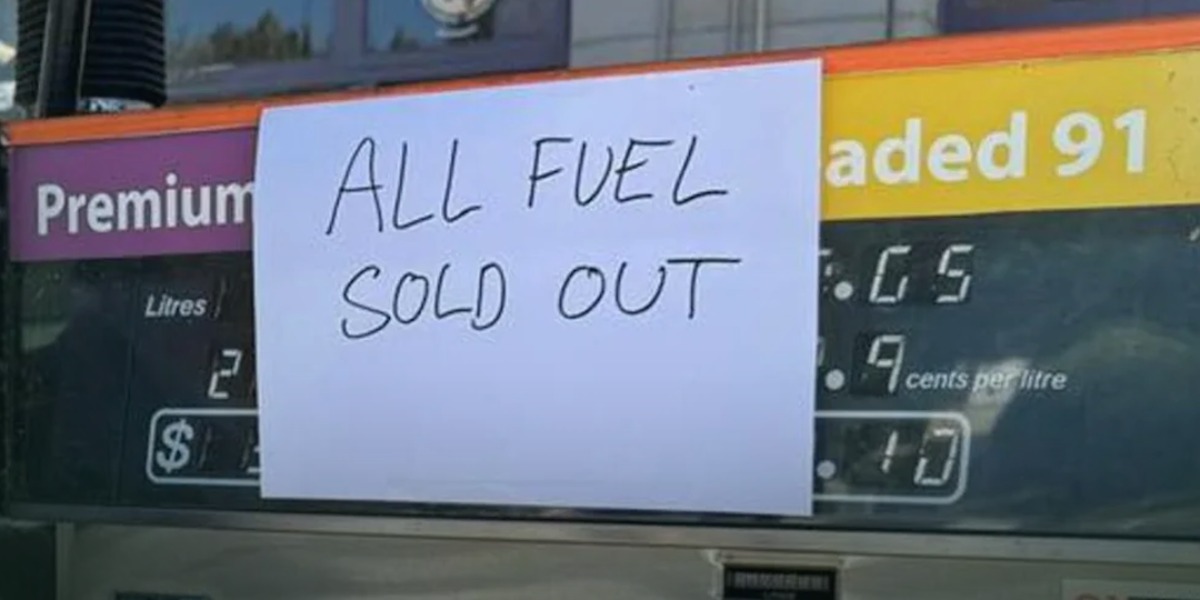
The Nationals have launched a new online tool to track fuel shortages across regional Australia, as governments move to ease diesel standards in a bid to boost supply during the deepening fuel crisis.
The website, nofuelhere.com.au, allows residents to report empty service stations and fuel access issues in real time, with data aggregated to provide evidence to policymakers about the scale of the problem.
The launch comes as the federal government announced a six-month change to diesel standards, lowering the flashpoint threshold to allow more fuel to enter the Australian market, as shortages spread and prices surge.
More than 180 service stations across NSW, Victoria and Queensland were reportedly out of fuel by Tuesday, with diesel supplies particularly constrained as the Middle East conflict continues to disrupt global supply chains.
Kevin Hogan is urging locals to use the platform to report shortages and help build a clearer picture of the crisis in regional areas.
“Our communities rely on fuel, it’s how people get to work, school, and keep their farms and businesses going. When supply runs short, we feel it immediately,” he said.
The Coalition-backed platform is designed to capture on-the-ground reports from communities, allowing users to log anything from a quick note about an empty servo to detailed accounts of how long supplies have been down and the impact on local businesses and families.
“The Albanese government keeps saying this is a distribution issue not a shortage. We know that’s not what regional communities are experiencing. We are taking Australia’s fuel crisis seriously,” Mr Hogan said.
“We need to know what communities are being hit the hardest, and how to deliver them real solutions.”
Australia imports around 90 per cent of its refined fuel, leaving it exposed to international disruptions, with the current crisis linked to conflict in the Middle East and shipping constraints through key global supply routes.
Energy Minister Chris Bowen said the temporary change to diesel specifications would increase supply options without affecting engine performance or safety.
The adjustment lowers the diesel flashpoint from 61.5 degrees Celsius to 60.5 degrees, allowing a broader range of fuel imports to meet Australian standards.
The federal government has also flagged industrial relations changes to allow transport operators to renegotiate contracts more quickly in response to rising fuel costs.
Residents are being encouraged to report shortages as they occur, with the data expected to inform ongoing political and policy responses to the crisis.
Something going on in your part of the North Coast people should know about? Let us know by emailing newsdesk@nctimes.com.au