

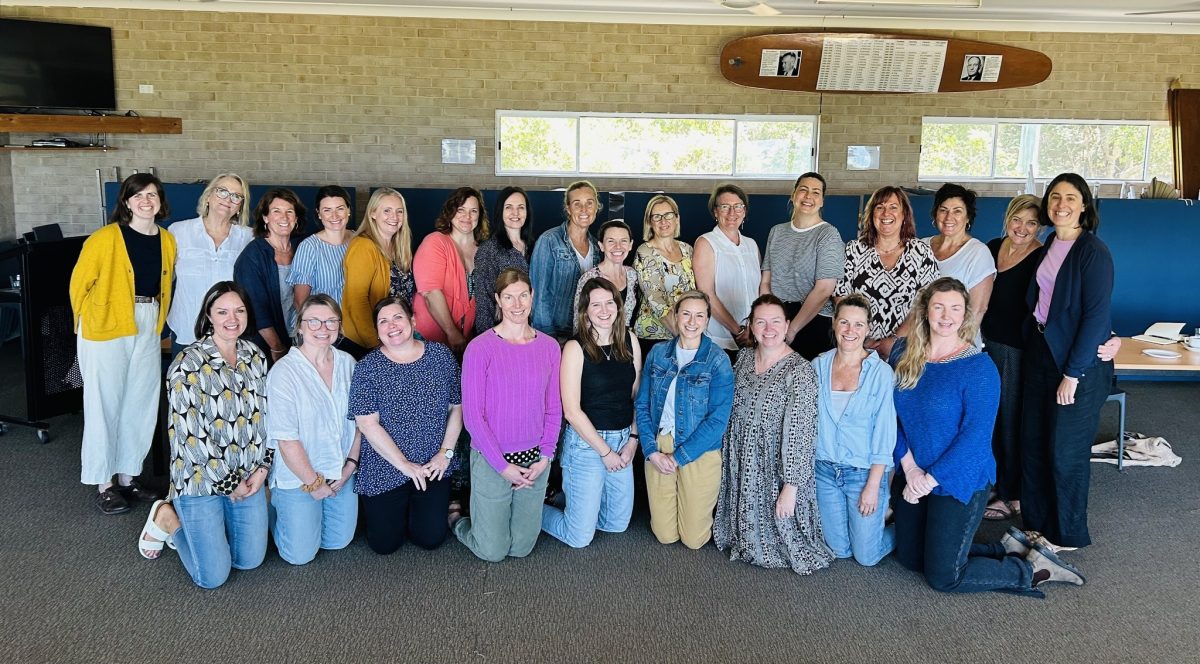
For four decades, the Coffs Harbour Women’s Health Centre has been a cornerstone of support, care, and advocacy for women and gender-diverse people across the Mid North Coast. This year, the Centre celebrates 40 years of providing holistic, community-led healthcare, reflecting both its rich history and its ongoing commitment to meeting the evolving needs of women in the region.
“It’s a genuine privilege to lead an organisation with a 40-year legacy of advocacy, care and community trust,” said Tazmyn Jewell, CEO of the Centre.
“The Coffs Harbour Women’s Health Centre exists because generations of women came together to demand better, fairer healthcare.
“That history brings a deep sense of responsibility to honour what has been built while continuing to evolve to meet today’s needs.”
The Centre first opened its doors in 1986, born out of grassroots advocacy from local women who recognised a pressing need for accessible, women-centred healthcare in the region.
“From the beginning, the Centre was built by women, for women, listening to lived experience and responding to local need,” Tazmyn said.
“That ethos continues today in how services are designed, how priorities are set, and how partnerships are formed.”
Key milestones in the Centre’s journey include its formal incorporation as GenHealth Incorporated in 1999 to strengthen governance and the move into purpose-designed premises on Little Street in 2016. More recently, the Centre became home to the Endometriosis and Pelvic Pain (EPP) Clinic in 2023 (at the time, one of only 22 funded clinics nationally), transforming access to specialised care in the region.
Alongside this expansion, the Centre has grown its team to 28 staff, including 18 clinical and allied health practitioners and nine administration and health promotion staff. This multidisciplinary approach allows the Centre to deliver more comprehensive, integrated care. The transition to Health Voyage Ltd in 2023 further supports sustainable investment in systems and workforce, while keeping the Women’s Health Centre at the heart of the organisation.
Regional communities often face unique healthcare challenges, from limited access to specialists to social and economic barriers. A dedicated women’s health service can make all the difference.
“Women’s health is complex and shaped by social, economic and cultural factors, and those challenges can be amplified in regional areas,” said Tazmyn. “A dedicated women’s health service provides a safe, trusted space where women are listened to and supported holistically, not just treated for symptoms.”
The Centre works tirelessly to break down barriers, offering low-cost or free services wherever possible and running outreach clinics to reach smaller communities like Dorrigo, Glenreagh, Bellingen, and Woolgoolga. It prioritises a welcoming, non-judgemental environment for all women, including those from Aboriginal and Torres Strait Islander communities, refugee backgrounds, young people, and those experiencing vulnerability or disadvantage.

Health needs evolve across a woman’s life, and the Centre offers support for every stage – from adolescence through to menopause and beyond. Young women, from around 14 to 16 years old, can access sexual and reproductive healthcare, contraception advice, cervical screening, and health education. Adults receive support through reproductive years, pregnancy, perimenopause, and menopause.
Equally important is preventative health and wellbeing. The Centre runs group programs to promote both physical and mental health, including gentle exercise and strengthening groups for over-60s, yoga, core and pelvic floor strengthening, functional movement classes, and postnatal “rebalance” programs. These initiatives, led by physiotherapists and allied health practitioners, help women stay active, connected, and confident in managing their health.
“Across all of our services, we take a trauma-informed and culturally safe approach,” Tazmyn said. “Women’s health is shaped not only by biology, but also by life experiences, relationships, and community.”
Programs like the Endometriosis and Pelvic Pain Clinic exemplify the Centre’s commitment to addressing complex, often underdiagnosed conditions. Chronic pelvic pain and endometriosis can take years to be recognised and treated appropriately, but local access to specialised, multi-disciplinary care is changing outcomes.
“Many women who attend the clinic describe it as life-changing,” Tazmyn said.
“It validates their experiences and provides pathways to better health and quality of life. It also reduces the need for travel, which is a real challenge in regional areas.”
The Centre is also responding to emerging needs such as menopause support, trauma-informed mental health services, and physiotherapy assistance, recognising the important links between physical health, mental wellbeing, and social connection.
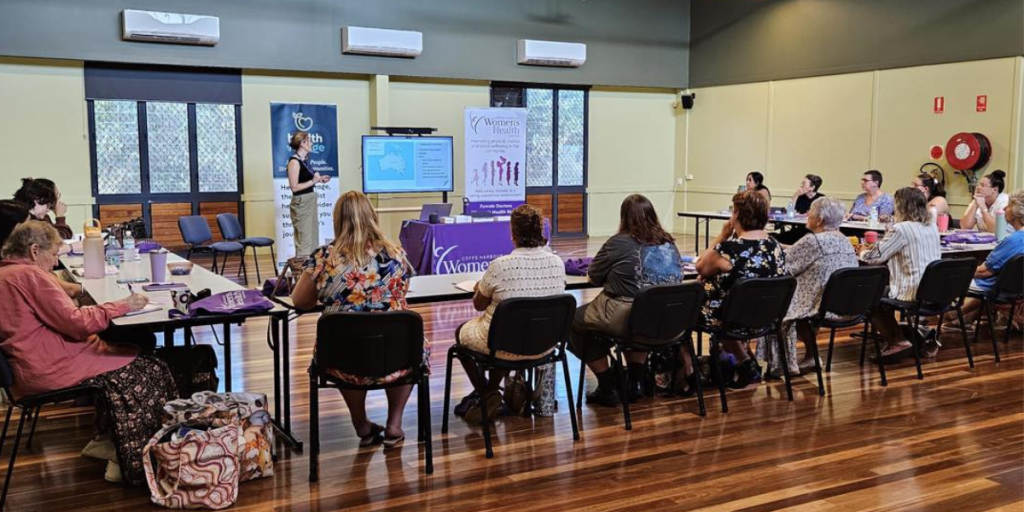
Beyond clinical services, education and prevention are at the heart of the Centre’s mission. Through community education sessions, school presentations, and group programs, women have the opportunity to learn, connect, and make informed decisions about their health.
“These programs also play a vital role in building connection,” Tazmyn said.
“In regional communities, opportunities to come together, learn, and support one another can help reduce isolation and strengthen wellbeing.”
“Seeing women gain confidence, feel empowered, and connect with others in the community is one of the most rewarding parts of the work we do.”
Partnerships are essential in delivering specialist care locally. Collaborations with NSW Health, Healthy North Coast Primary Health Network, and other local organisations have enabled the Centre to expand its reach and improve service coordination.
“The Endometriosis and Pelvic Pain Clinic is a clear example,” Tazmyn said. “Through collaboration, we provide care close to home, eliminating the need for long-distance travel and ensuring support is accessible when it’s needed most.”
As the Centre celebrates 40 years, its vision for the next decade is clear: equitable, timely access to high-quality, women-centred healthcare for all women across the Mid North Coast. This includes expanding outreach, strengthening integrated care models, continuing workforce development, and keeping women’s voices central to service design.
“Sustainable funding, workforce shortages, and increasing demand are ongoing challenges for regional services,” Tazmyn said. “Communities can support women’s health services by advocating for investment, engaging with local services, and recognising the value of preventative and community-based care. Strong community connection has always been one of our greatest strengths.”
Finally, she sends a heartfelt message to the women who have used the Centre over the past four decades: “Thank you for trusting us with your care, your stories, and your strength. This Centre exists because of you, and your voices, experiences, and advocacy have shaped it into the service it is today.”
North Coast Times is new! Connect with us by sending press releases to newsdesk@nctimes.com.au or enquire about advertising with us by emailing ads@nctimes.com.au.