
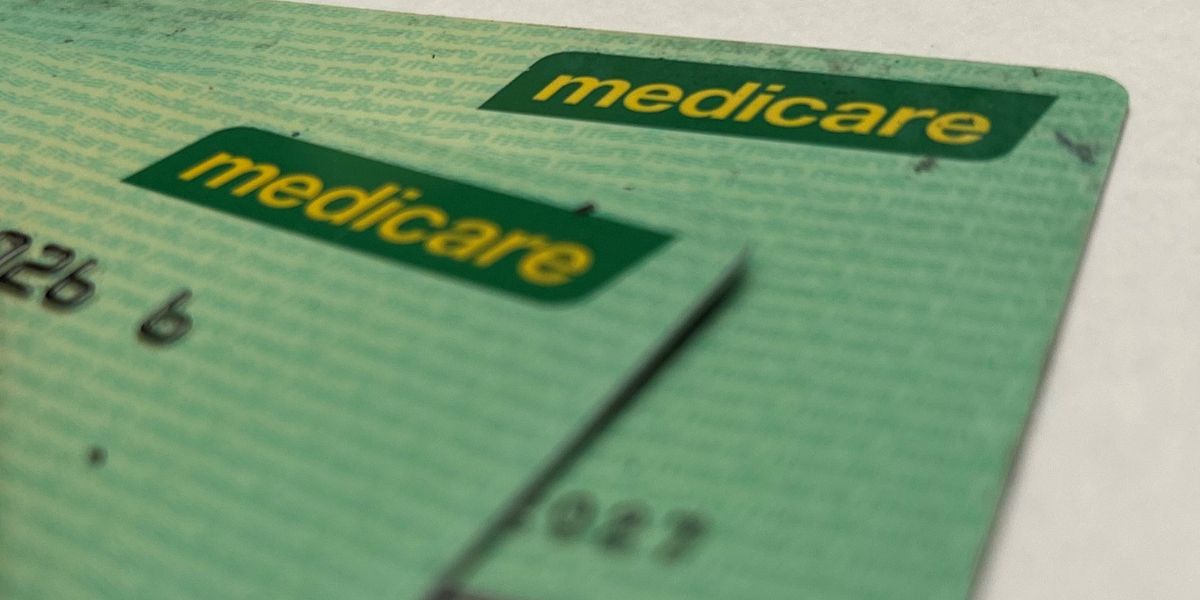

Female GPs spend longer with patients, treat more mental health problems, and earn 93.5 cents for every dollar a male GP makes per hour. The RACGP says Medicare needs to change.
Health

Posted inAwareness Events, Feature, Health, What's on
Move for 30 days to support ovarian cancer care

Walk, run, ride, or roll out a yoga mat. Workout 4 Women asks Australians to move for 30 days in November to fund free nursing and support for women with ovarian cancer.
Posted inAged care, Disability, General News, Health, NSW News
Carers push for NSW Carer Card
About 958,000 NSW carers keep having to prove they are carers. Carers NSW says a Carer Card, already in place in Victoria and Queensland, would end the paperwork.

Posted inFeature, Health, National News
More GPs worried about misinformation
AI is making health misinformation harder to spot, and more GPs are feeling it. New survey figures show a sharp jump in doctors worried about what patients are reading online.
Posted inFeature, Health, Lismore
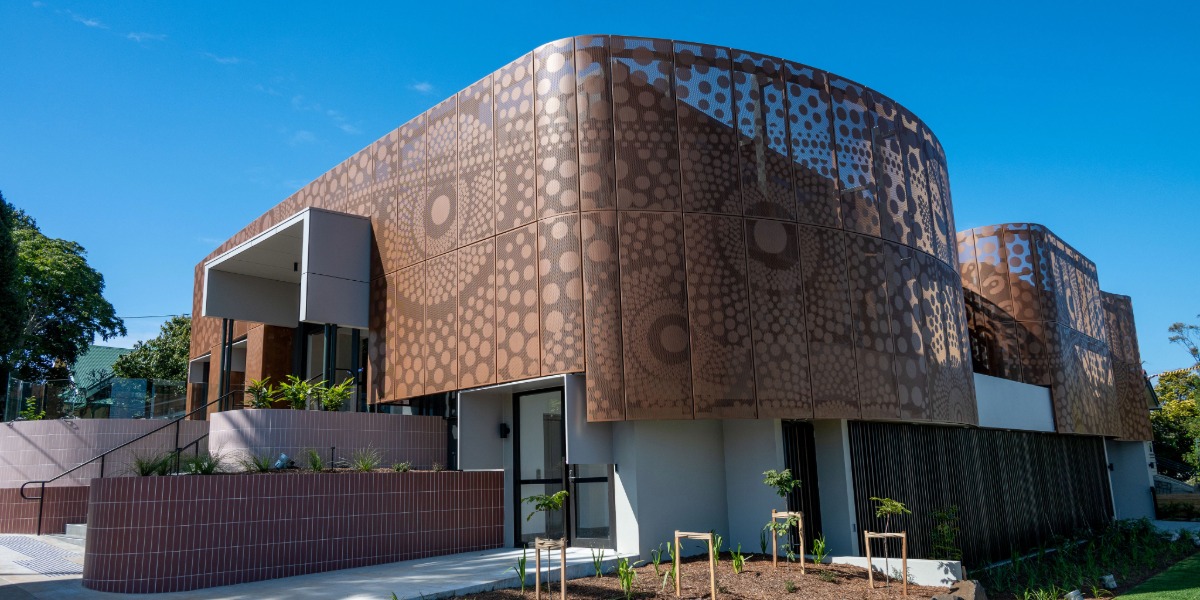
New flood-resilient Aboriginal health hub opens in Lismore

After the 2022 floods wrecked its services, Lismore’s Rekindling the Spirit has a $4.4 million flood-resilient home. Its CEO says it took more than 35 years of fighting for a dedicated health service.

Posted inFeature, Good News, Grants and funding, Health, Lismore, Lismore
Lismore researchers land Gates Foundation cash to cut cost of omega-3
Microscopic organisms nicknamed “throstys” could make omega-3 supplements half the price for pregnant women worldwide, thanks to a first-ever Gates Foundation grant for Southern Cross University.
Posted inFeature, Health, Northern Rivers, Tweed Heads
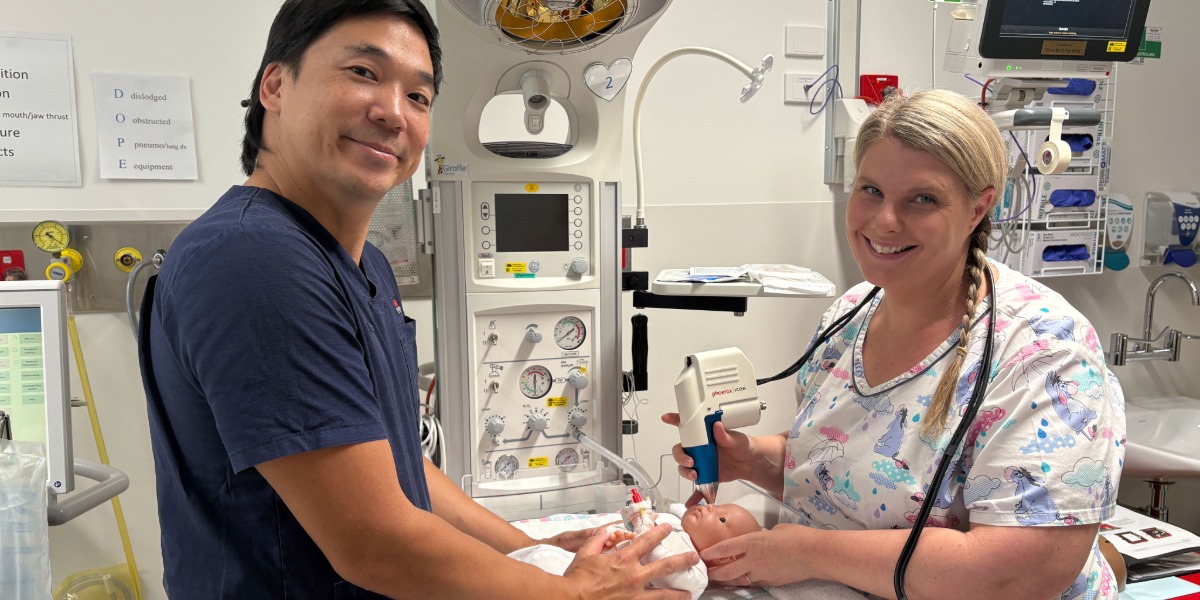
Premature babies spared Gold Coast trips by $120,000 eye scanner
Tiny babies at risk of losing their sight no longer face a trip to the Gold Coast. A $120,000 community effort has put a portable eye scanner into Northern Rivers hospitals.

Posted inFeature, Health, NSW News
Almost 300 GPs trained to treat ADHD
Almost 300 GPs can now diagnose and treat ADHD, and 300 more start training next month. Rural and regional communities were prioritised, and free assessments could save up to $1,500.
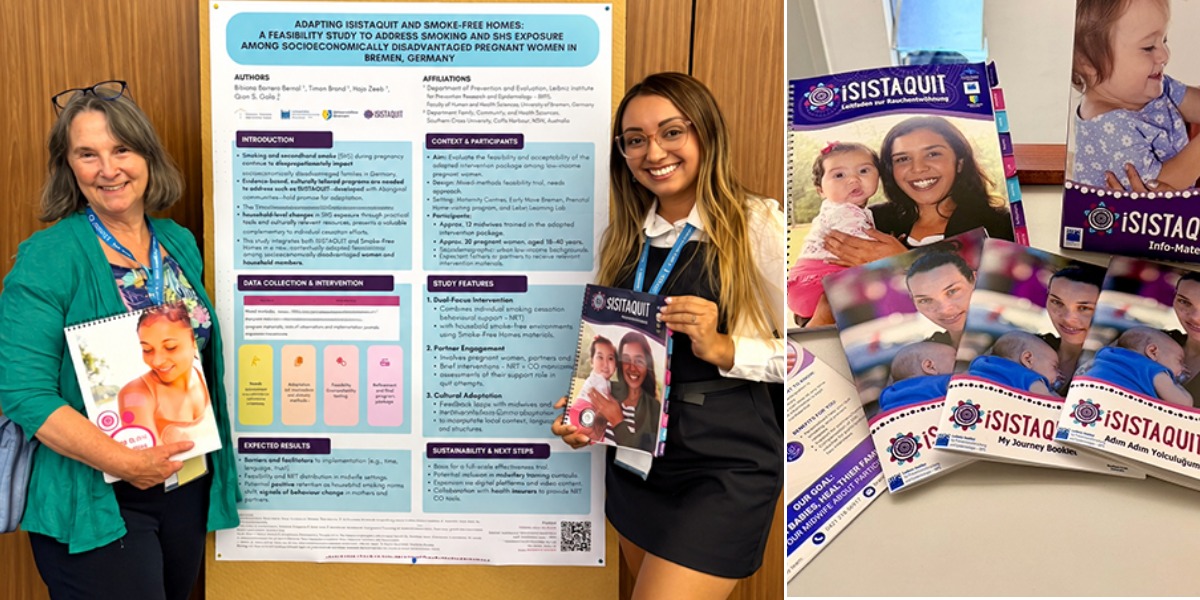
Posted inCoffs Harbour, Coffs Harbour, Feature, Health
Coffs Harbour quit-smoking program wins global award
A quit-smoking program born in Coffs Harbour has won an international award after crossing the globe to help pregnant women in Germany.

Posted inAwareness Events, Feature, Health, Workers and Unions
Cost of living forces workers to push through pain
Nine in ten workers in pain kept working, and half said they could not afford to lose the income. A new survey shows regional workers are hit harder.