

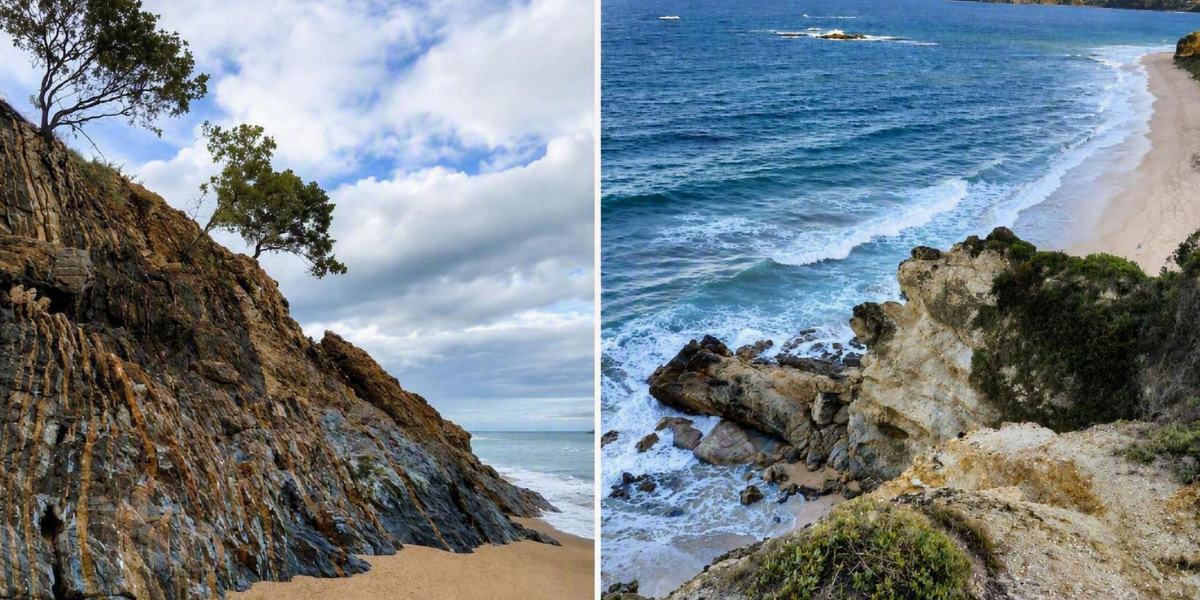
Coffs Harbour’s push to turn the Solitary Islands Coastal Walk into a nationally-renowned beachside trek has taken a step forward, with City of Coffs Harbour Council backing a broad-brushed analysis of the 60-kilometre route.
The study, to be carried out by a consultancy with relevant expertise, will examine opportunities and infrastructure gaps along the walk, which stretches from Red Rock to Sawtell. It will also establish a business case, funded by the City and in part by the Coffs Coast Regional Park Trust, for delivering priority sections of the trail, with scope for further stages to be progressed over time.
“The walk is already an attraction for both locals and visitors but it could be so much more – the potential is there for it to become a world class experience which dovetails with our reputation as a certified ECO Destination,” said Acting Mayor George Cecato.
“We have the funding and support to now precisely identify the infrastructure gaps and to scope the opportunities to improve connectivity and accessibility – though building the enabling infrastructure will no doubt require a significant investment and time,” Cr Cecato said.
The Solitary Islands Coastal Walk is a Grade 4 bushwalking experience, recommended for those with some bushwalking know-how, taking in headlands, lake outlets and creek crossings along the Coffs Coast. Track markers featuring a lighthouse motif guide walkers at track heads and key points.
From Red Rock to Moonee Creek, the trail is generally unconstrained, running along beaches, smaller creeks and lake outlets such as Woolgoolga and Hearns lakes, as well as over or around headlands. The challenges start at Moonee and continue south.
The closure of the pedestrian bridge over Sugar Mill Creek at Moonee has forced walkers onto an alternate inland road or path, with construction of a new bridge slated to start in June 2027. The White Bluff headland at Sapphire Beach is not passable, meaning people must take an inland road route, and the headlands near Campbells Beach and Pelican Beach at South Sapphire also require inland detours, with beach access only possible at very low tides, low swell and low wave height. Significant cultural sites along the walk, particularly south of Moonee and Green Bluff, will also need to be considered.
City Infrastructure Director Andrew Beswick said the section from South Sapphire through to Coffs Harbour and onto Sawtell was generally unconstrained, and provided spectacular views.
“Dotted along the walk there are numerous flights of stairs, sections of boardwalk, paved paths and much of this infrastructure is aged and already identified for renewal. Additionally, this infrastructure is or will be impacted by coastal erosion,” Mr Beswick said.
The audit of the existing walk between Red Rock and Sawtell, including Hearnes Lake, is expected to identify missing links and gaps in the continuous walking route, accessibility issues and opportunities, alternate trail options, and safety, wayfinding and signage gaps. It will also look at trailhead, parking, toilet, seating, shade and rest point needs, environmental risks created by informal tracks or poor access, culturally significant sites, and priority infrastructure improvements and staging options.
“It is recommended the detailed analysis also captures how people experience the walk as well as future opportunities,” Mr Beswick said.
The first phase of the analysis will focus on how residents and visitors understand, navigate and value the walk as a nationally significant nature-based walking experience. This includes trail identification, wayfinding, interpretation, environmental education, visitor dispersal, “hero” sections, short walks and alignment with the Coffs Coast ECO Destination Framework, Solitary Islands Marine Park, the emerging Great Koala National Park and the broader Coffs Coast destination story.
The second phase will identify longer-term opportunities, including guided walking, Aboriginal cultural tourism, links to coastal villages and local businesses, accommodation and transport opportunities, events, shoulder-season visitation, and future grant-ready or investment-ready project ideas.
“Any future infrastructure works or upgrades to the walk are not currently funded and may have significant financial implications, which will be better understood once we have the completed detailed analysis,” Mr Beswick said.
Something going on in your part of the North Coast people should know about? Let us know by emailing newsdesk@nctimes.com.au