

Landholders across NSW are being urged to report signs of Australian plague locusts as authorities monitor activity across the state.
Local Land Services (LLS) has received six reports of suspected plague locust activity, prompting continued surveillance and inspections.
Landholders are being asked to regularly check their properties and report sightings, with early detection considered critical to limiting potential damage to crops and pastures.
“Every report helps build a clearer picture of locust activity across the state and support s surveillance and management efforts,” said NSW Plague Locust Commissioner, Ian Walker.
“Signs of locust activity on your property can include dense black bands of hoppers, vegetation damage and the buzzing or rustling sound of insects. Make sure you check for hatching sites, in hard loamy soils near roads, crops and farm structures.
“It is vital we get started on any ground control programs as early as possible to greatly reduce the likelihood of new hatchings which could lead to increased activity and populations this spring.”
Landholders are legally required to report locust activity to an LLS biosecurity officer within one working day of detection and undertake appropriate control measures.
Reports should include the location of the sighting, GPS coordinates where possible, the life stage of the locusts, estimated numbers or density, photos or videos and contact details.
LLS biosecurity officers will assess reports and may carry out on-ground inspections. Depending on the lifecycle and density of the locust population, landholders may be advised to continue monitoring or undertake surveillance or control measures.
Australian plague locusts can cause significant damage to crops, pastures and vegetation, resulting in economic losses for farmers and the wider agricultural industry.
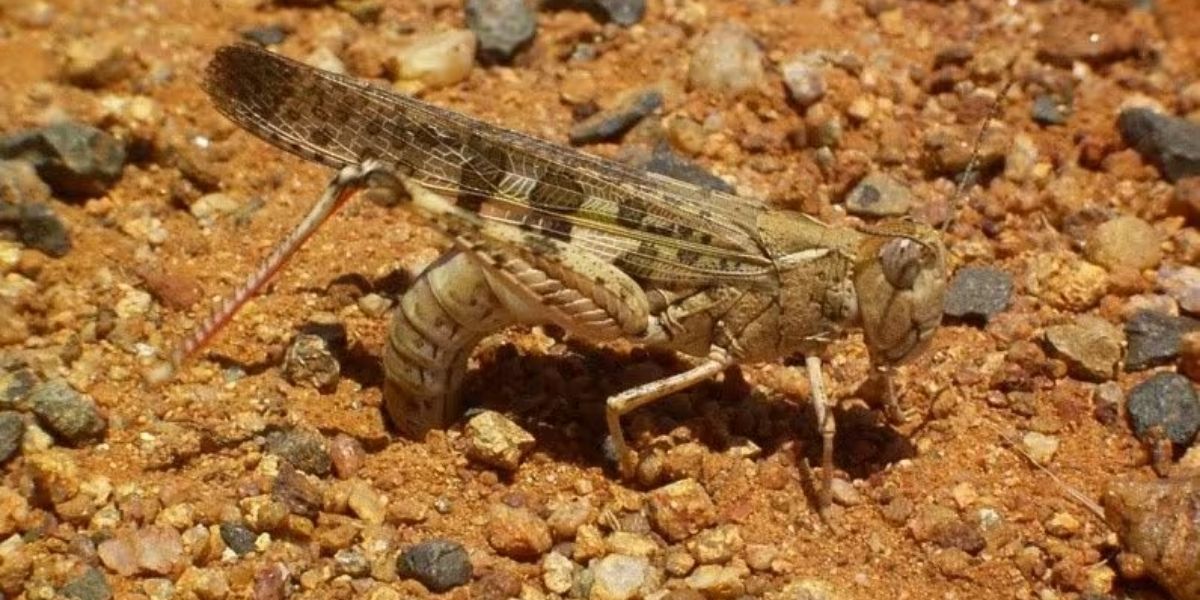
Adult plague locusts can be identified by large dark spots on the tips of their hind wings and distinctive red hindleg shanks. Their body colour can vary between grey, brown and green.
Sightings should be reported to Local Land Services on 1300 795 299.
Something going on in your part of the North Coast people should know about? Let us know by emailing newsdesk@nctimes.com.au