

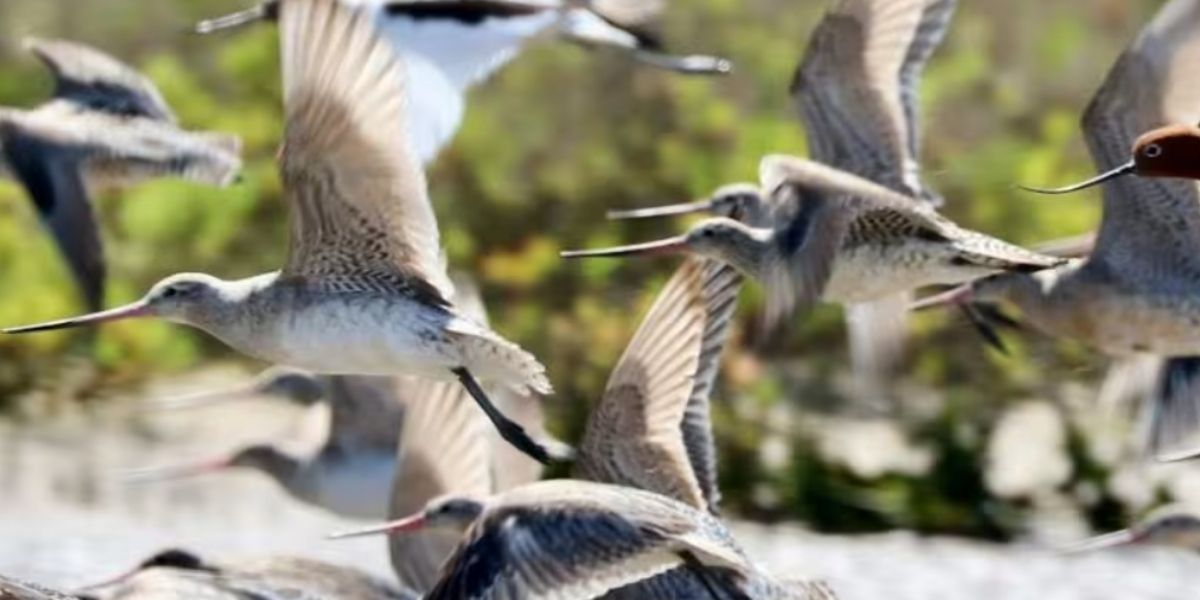
NSW has recorded its first confirmed H5 bird flu detection in a shearwater after the virus was found in a Hutton’s shearwater at Corindi, north of Coffs Harbour.
The detection is one of three new H5 bird flu events confirmed in NSW, with greater crested terns at Port Kembla and Warriewood on Sydney’s Northern Beaches also testing positive.
Authorities say there are no signs of mass bird deaths in the Coffs Harbour area or elsewhere in NSW, with surveillance continuing for further cases.
As of 3 September, NSW had recorded 20 H5 bird flu events, compared with 468 across Australia.
Bird flu has not been detected in commercial poultry flocks or captive birds in NSW and authorities say the risk to human health remains low.
The NSW Government has begun targeted vaccinations for vulnerable bird species and is continuing surveillance under a nationally co-ordinated response.
Minister for the Environment Penny Sharpe said authorities were concerned about the potential impact of the virus on native wildlife.
“We are deeply concerned about the impact that H5 bird flu could have on our native wildlife.” said Sharpe.
“No government policy can stop this virus form spreading through our wild bird populations. What we can do to support our wildlife is vaccinate insurance populations, protect their habitat and eliminate invasive species.
“The public also has an important role to play by avoiding contact with sick or dead birds and reporting them to the Emergency Animal Disease Hotline, helping us detect new cases and target our surveillance efforts.”
Minister for Agriculture Tara Moriarty said NSW had so far avoided mass mortality and outbreaks in poultry.
“NSW so far has 20 H5 bird events, while the rest of Australia has more than 460, and there have been no mass mortality or poultry bird events.” Moriarty.
“Our focus is on preparedness, surveillance and responding to events quickly.
“Now is the time for everyone who has backyard chickens or pet birds in aviaries to take precautionary steps to ensure there are no interactions between their chooks and pets with wild birds.
“The Government also recommends people be careful with their dogs when walking on beaches or parks and ensure they don’t eat carcasses or chase wild birds. There is low risk of exposure but it’s important to minimise any risk for your pets.
People in the Coffs Harbour region who find sick or dead wild birds, domestic birds, marine mammals or other wildlife are being urged to avoid contact and report the sighting through the NSW Government’s online reporting system or the Emergency Animal Disease Hotline on 1800 675 888.
The state’s Chief Veterinary Officer has advised the poultry industry there is currently only a voluntary recommendation to house poultry.
Don’t miss any of the important stories from around the region. Subscribe to our email list.