

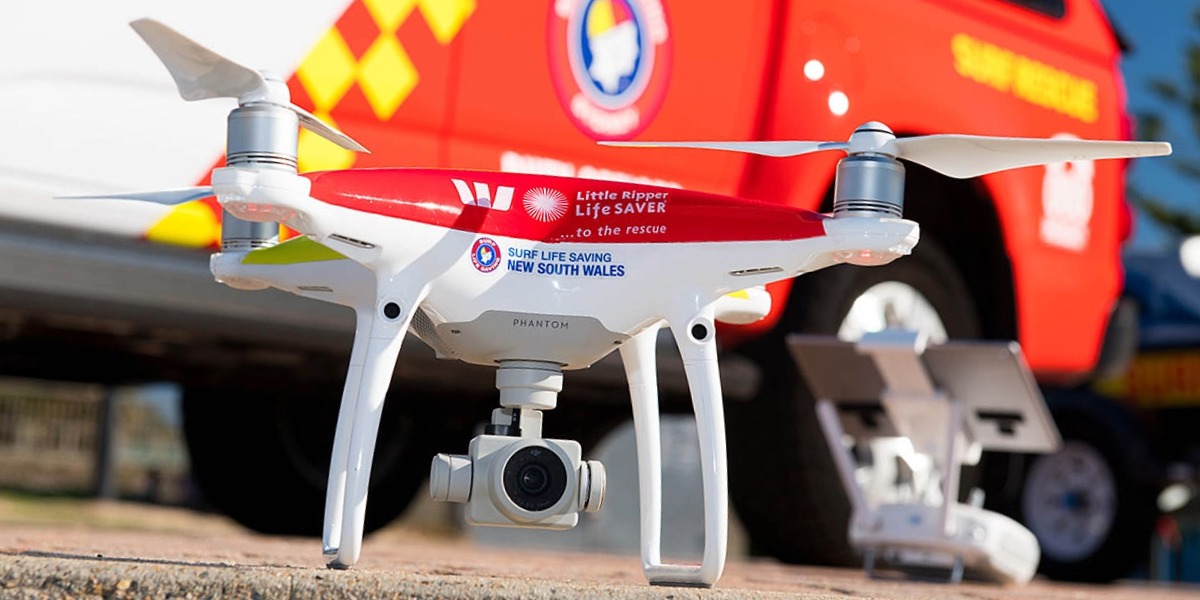
Crowdy Head will be one of the first beaches in NSW to get a new generation of shark-spotting drone that launches, lands, and recharges itself, as lifesavers brace for what could be one of their toughest summers in years.
The red and yellow flags went up on Saturday, 26 September, marking the start of the 2026-27 patrol season, which runs until 27 April 2027.
Forecasts point to above-average temperatures and dry conditions leading into summer, and there have already been drownings on NSW beaches in recent weeks.
“This summer is expected to be one of the most challenging patrol seasons in recent years,” said Surf Life Saving NSW CEO Steve Pearce.
“Hot and dry conditions are likely to draw large crowds to our beaches, increasing the demand on our volunteer patrols and rescue services.”
“We must also recognise the potential for increased shark activity during warmer months, reinforcing the need for vigilance on our beaches.”
This summer, drone-in-a-box technology will be rolled out at seven beaches. The first three are Crowdy Head, Avalon/Bilgola, and Mona Vale/Bungan. Another four will follow once local councils approve them.
Right now, drones are flown by pilots on the beach, who must keep them in sight, recharge them by hand, and battle the weather.
The new system uses a mobile docking station that launches the drone, lands it, recharges it, and uploads and downloads data without anyone on site. One off-site pilot can manage several flights at once.
“Drone-in-a-Box technology can transform the way we monitor our beaches, allowing drones to launch, land and recharge automatically, and operate remotely,” said Minister for Agriculture Tara Moriarty.
The NSW Government is also trialling artificial intelligence to help drone pilots spot sharks and identify the species in real time.
The “Sharkie” AI identifies a white shark well below the surface (supplied)
“While the new work with AI tech will help in better detecting and identifying sharks in real time, giving us faster information and improving our ability to respond quicker,” Ms Moriarty said.
AI identifies a bull shark and the drone locks in (supplied)
Drone surveillance hours have been extended for the school holidays, running from 6.15am to 6.30pm in October, 6am to 6.30pm in November, and 6am to 7.30pm in December, January, and February.
A record 73 drones will operate at 97 beaches statewide, as part of the $120 million Shark Management Program.
Over winter, drones flew at 72 beaches for the first time. Between 1 July and 31 August, they made 49,000 flights and spotted 1,225 sharks, leading to 360 safety responses such as sounding sirens, clearing the water, or sending out inflatable boats and jet skis.
Surf Life Saving NSW volunteers are also heading into the season with new and upgraded gear, including jet skis, drones, and Emergency Response Beacons.
“When a shark is sighted, our operators can quickly notify swimmers and surfers, relevant rescue services, implement appropriate safety measures and distribute alerts through the SharkSmart app,” Mr Pearce said.
“Our message is simple: swim at a patrolled beach, swim between the red and yellow flags, and listen to the advice of lifesavers.”
Don’t miss any of the important stories from around the region. Subscribe to our email list.