

One in three Australian households experienced food insecurity in the past 12 months, and regional households are being hit harder than those in the cities, the Foodbank Hunger Report 2026 has found.
The report was released on Monday, 26 October. It found 3.6 million households have gone hungry, which is 100,000 more than in 2025.
Regional households fared worse. Some 36 per cent of regional households experienced food insecurity, compared with 32 per cent of metropolitan households. Almost one in four regional households (23 per cent) reported severe food insecurity, compared with 18 per cent in metropolitan areas.
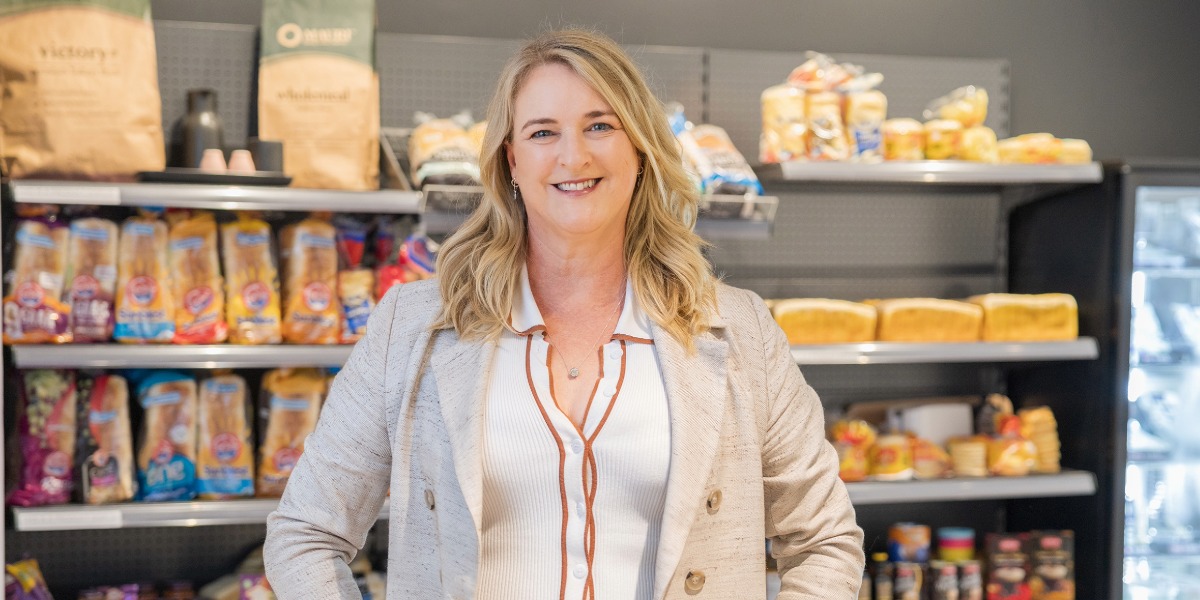
“We call ourselves the Lucky Country, but for one in three households, Australia is now the Hungry Country,” said Foodbank Australia CEO Kylea Tink.
“Sadly, hunger has become part of the Australian story.”
The report says food insecurity is no longer confined to the margins. It found 37 per cent of middle-income households, earning between $33,800 and $90,999 a year, are food insecure.
Nearly seven in ten food-insecure households (69 per cent) experienced it for the first time in the past year. Food-insecure households with a part-time or casual worker have reached a new high of 42 per cent.
Some groups are being hit especially hard:
Families with children: 45 per cent of households with children are food insecure, and 60 per cent of single-parent households.
Young adults: 48 per cent of households aged 18 to 34 are food insecure.
Renters: 51 per cent of renting households are food insecure, compared with 12 per cent of households that own their home outright.
First Nations households: 57 per cent are food insecure, including 40 per cent in the severe category.
Households earning $33,799 or less: 53 per cent are food insecure, and 37 per cent are severely food insecure, the highest level ever recorded for this group.
Australians are also pessimistic. More than a third (35 per cent) expect their finances to get worse over the next 12 months. That rises to 61 per cent among those already finding it very difficult to get by.
The report did have some good news. Participation in Foodbank’s school breakfast programs among food-insecure households with school-aged children has risen from 36 per cent to 45 per cent in the past year.
Foodbank has welcomed $700,000 in surge funding from the Federal Government, announced on 11 October. Foodbank says it will help get 1.4 million meals to people in need.
The organisation is calling on the Federal Government to work with states and territories on a national minimum standard for school breakfast programs. It wants every child to have access to a nutritious breakfast at school by 2030.
Foodbank is also calling on corporate Australia and philanthropy to act.
Now in its 14th year, the Foodbank Hunger Report is based on a nationally representative survey of Australians. The full report is at https://reports.foodbank.org.au/foodbank-hunger-report-2026/
Like what you’re reading? Support North Coast Times by making a small contribution today and help us keep delivering local news paywall-free. Donate now