

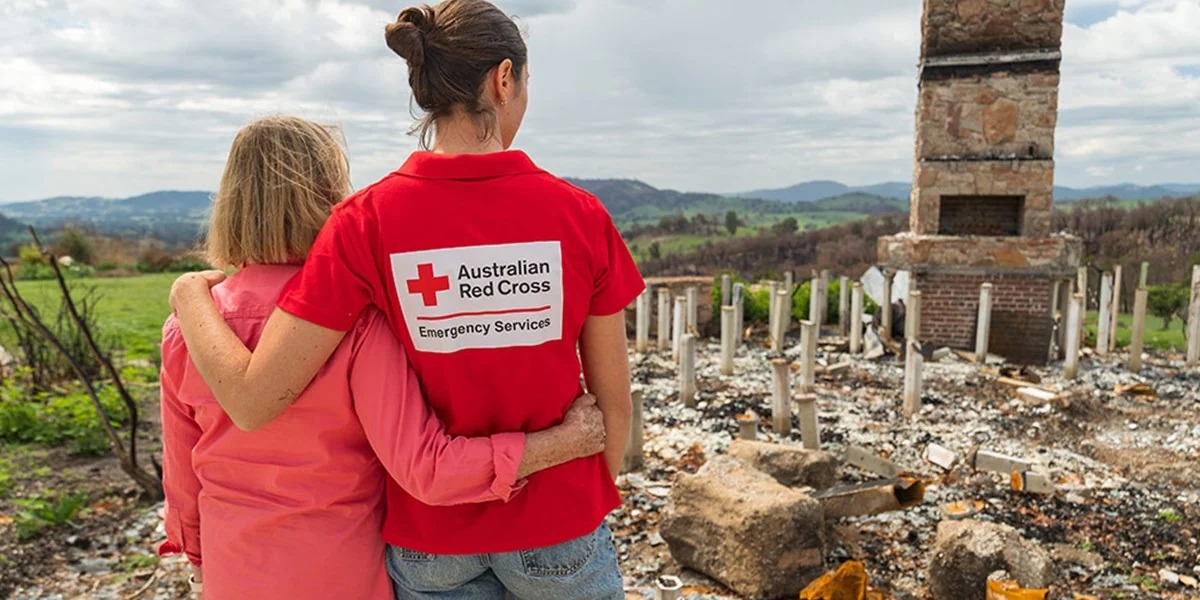
Volunteers with groups such as St John Ambulance, the RSPCA, and Australian Red Cross will get the same job protections as RFS and SES volunteers when they step up during floods, fires, and other emergencies, under new NSW laws.
The NSW Government has passed amendments to the State Emergency and Rescue Management Act 1989, extending Volunteer Protection Orders (VPOs) and personal liability protections to a wider range of organisations that support emergency operations.
A VPO protects volunteers from victimisation by their employer while they are taking part in emergency operations covered by the order.
“From St John Ambulance to the Australian Red Cross, we are backing in our volunteers and letting them get on with their important work – giving communities a helping hand when disaster strikes,” said Minister for Emergency Services Jihad Dib.
Until now, the protections have applied to volunteers with emergency services organisations, including the NSW Rural Fire Service, Fire and Rescue NSW, NSW State Emergency Service, NSW Ambulance, NSW Police Force, Surf Life Saving NSW, VRA Rescue NSW, and Marine Rescue NSW.
The changes extend them to volunteers with non-government organisations that take part in emergency management, from wildlife rescue to emergency first aid and recovery support after natural disasters.
“Volunteers play an incredibly important role in our communities, especially during emergency response and recovery operations,” said Minister with responsibility for Volunteering Jodie Harrison.
“These reforms send a clear message to volunteers: when you step up to help your community, the Minns Labor Government has your back.”
These organisations have made major contributions during natural disasters, including the 2019-2020 bushfires and the 2022 and 2025 floods, which involved long response periods.
The changes are designed to give volunteers certainty ahead of the bushfire and storm seasons.
“As we face more frequent and more severe natural disasters, we’re doing everything in our power to create an environment where volunteers feel supported and inspired to get involved,” Mr Dib said.
“These are simple and commonsense changes that will help to keep our emergency services strong and ready to respond when we need it most.”
“By extending these protections, we’re removing barriers to volunteering and making it easier for people to answer the call when their communities need them most,” Ms Harrison said.
Don’t miss any of the important stories from around the region. Subscribe to our email list.