

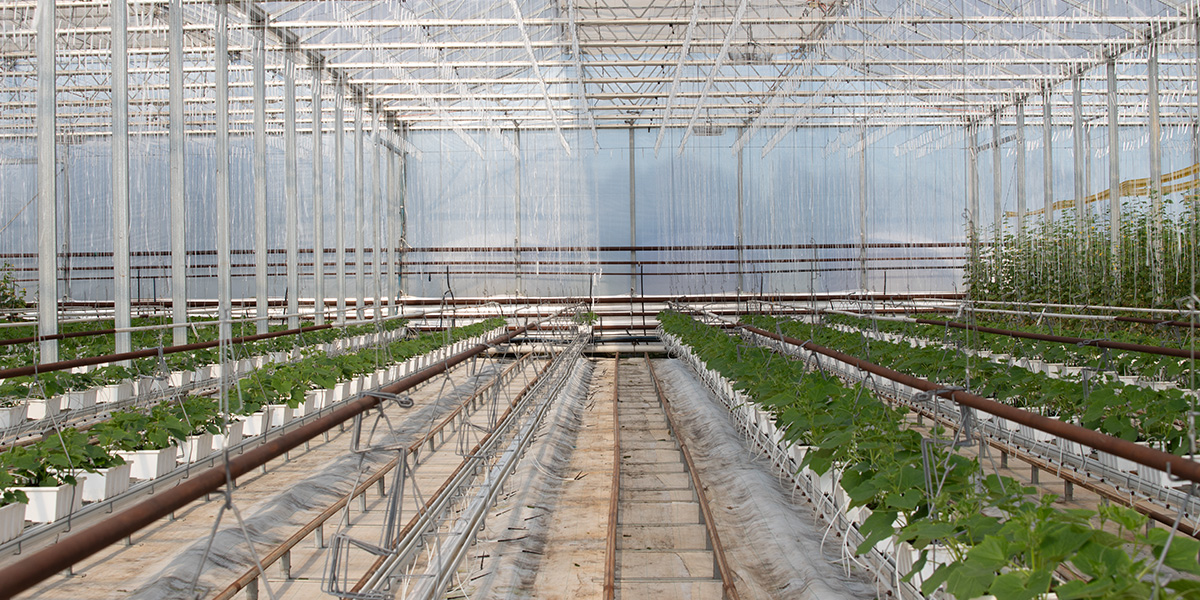
A Clarence Valley family business growing seedlings in a giant Dutch glasshouse near Grafton is being held up as the future of farming, as the NSW Government pitches the North Coast to investors in high-tech horticulture.
A new NSW Controlled Environment Horticulture Prospectus names the North Coast among the regions identified for growth, offering investment-ready land, strong infrastructure, and access to domestic and export markets.
Controlled environment horticulture means growing crops in high-tech glasshouses with artificial lighting, automated climate control, and precision irrigation, for reliable year-round production and less exposure to extreme weather.
The sector is forecast to become a $2.4 billion industry nationally, with a $700 million export market by 2030.
Provenance Propagation operates a 5,700-square-metre Dutch Venlo glasshouse near Grafton, supplying seedlings for crops including cucumber, tomato, eggplant, capsicum, and kiwi.
In May, the business received $2.1 million through the NSW Government’s Agriculture Industries Innovation and Growth Program to expand its controlled-environment propagation area by 1.38 hectares, adding automation and robotics.
“Operating in regional NSW gives Provenance Propagation access to space, agricultural capability, workforce, and connectivity that are difficult to replicate in metropolitan areas,” said Provenance Propagation CEO Dr Jack Thomas Mooney.
“A resource like the new Controlled Environment Horticulture Prospectus is important because it helps clearly communicate the opportunity in regional NSW to investors and industry partners.”
The prospectus points to opportunities including large-scale glasshouse production of fruit and vegetables such as tomatoes, leafy greens, and capsicum; high-value crops for plant-based medicines and supplements, such as turmeric, ginseng, and native botanicals; new farm technology like automated harvesting and robotic packing lines; and facilities that combine growing, processing, and manufacturing.
“NSW has the space, workforce, infrastructure, strong domestic demand and export potential needed to grow a world-class controlled environment horticulture industry,” said Minister for Agriculture and Regional NSW Tara Moriarty.
“This prospectus sets out a clear pathway for investors to be part of a rapidly growing industry that can boost regional economies while helping deliver reliable, high-quality food year-round.”
Regional NSW has more than 130,000 people working in agriculture and related industries, and freight and transport networks that put around 81 per cent of Australia’s population within overnight reach.
“We see CEH as an important part of the future of Australian horticulture – as growers face increasing demands for consistency, productivity, resource efficiency and year-round supply, advanced propagation and controlled growing systems can help provide more reliable starting material and improve the efficiency of the broader supply chain,” Dr Mooney said.
The NSW Government has also invested $25 million through the Agriculture Industries Innovation and Growth Program to help businesses invest in new technology and equipment.
“Controlled environment horticulture is a win all round – it allows producers to reduce the risks of climate variability while increasing productivity, and regional communities stand to benefit from new jobs, new technologies and new industries, bringing long-term prosperity to our great state,” Ms Moriarty said.
The prospectus is available at www.investregional.nsw.gov.au/controlled-environment-horticulture.
Something going on in your part of the North Coast people should know about? Let us know by emailing newsdesk@nctimes.com.au