

Parents across the Myall Lakes are being urged to lead by example on sun protection, as new polling shows more than one in four young Australians say influencer tanning content makes them want a tan.
Member for Myall Lakes Tanya Thompson is encouraging local families to make sun protection part of everyday life during National Skin Cancer Action Week, which runs until Sunday, 22 November.
“We spend a lot of time outdoors in the Myall Lakes, whether we’re on the sidelines at Saturday sport, out in the garden or heading down to the beach,” Mrs Thompson said.
“Before you head out, check the UV level and give yourself a few minutes to get sun protected.
“Kids notice what we do. When they see us put on a hat, apply sunscreen and choose a shady spot, it becomes part of getting ready to go outside.”
The research backs her up. Children are 12 times more likely to use sunscreen and three times more likely to wear a hat when they see their parents do it first.
This year’s theme is ‘Sun safe habits last a lifetime’, and it marks 45 years since Sid Seagull first told Australians to ‘Slip! Slop! Slap!’.
But new YouGov polling for Cancer Council Australia shows every generation has its own blind spot.
Nearly half of Australians (48%) say they have only basic or limited knowledge of the UV Index.
Gen Z were the most likely to say they had become more deliberate about sun protection in the past year (55%). They were also the most likely to feel pressure to tan, with 27% saying influencer tanning content made them want a tan.
Among sunscreen users, Baby Boomers were the most likely to say they had not used any in the previous eight months (17%).
“This research shows that every generation has its own sun safety blind spot,” said Cancer Council Australia CEO Jacinta Reddan.
“We know that exposure to ultraviolet radiation from the sun is the main cause of skin cancer, and research has found that 50% of lifetime UV exposure happens before age 20, showing that sun protection habits established today can help lower your risk of skin cancer tomorrow.”
Australasian College of Dermatologists President Dr Adrian Lim said tanning was making a worrying comeback.
“There’s no such thing as a safe tan. A tan is your skin’s response to UV damage, not a sign of health,” Dr Lim said.
Two in three Australians will be diagnosed with skin cancer in their lifetime, and 2,000 die from it every year.
Cancer Council Australia recommends all five forms of sun protection whenever the UV Index is 3 or above:
- Slip on clothing that covers as much skin as possible
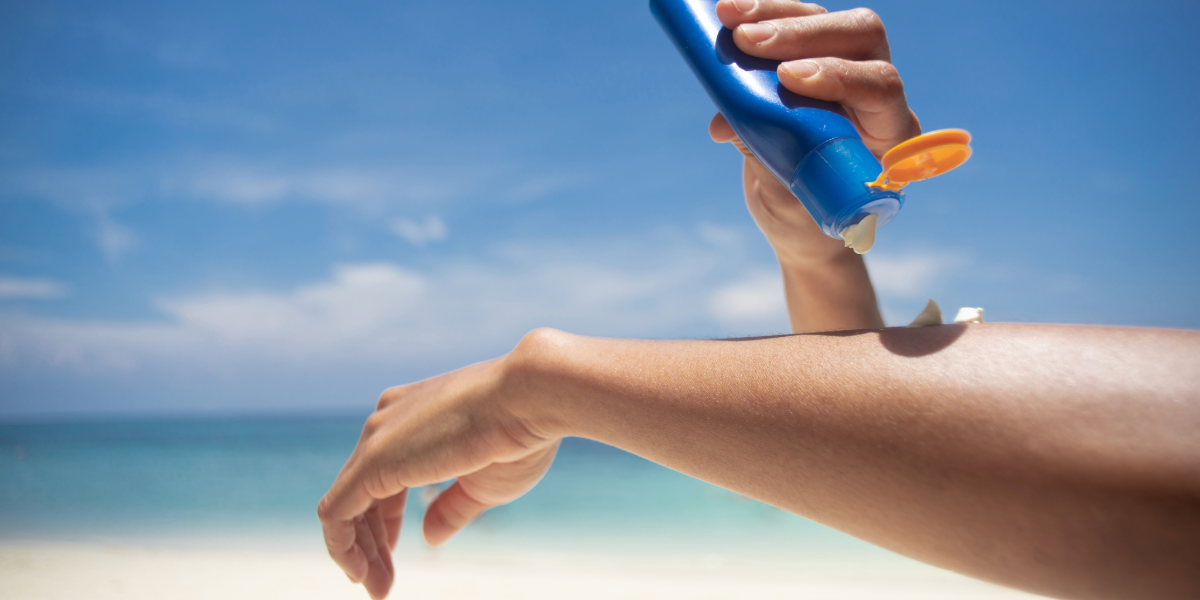
- Slop on broad-spectrum, water-resistant SPF50 or SPF50+ sunscreen
- Slap on a broad-brimmed hat that shades your face, neck, and ears
- Seek shade
- Slide on sunglasses that meet Australian standards.
The UV Index can be checked with the free SunSmart Global UV app.
Mrs Thompson also urged residents to get to know their skin and see their GP promptly if they notice a new spot or a change to an existing one.
“If you’ve noticed a change or there’s a spot you’ve been meaning to get checked, please make the appointment,” she said.
“A few simple habits today could make an enormous difference in the future.”
More information is available at cancer.org.au/nscaw2026.
Don’t miss any of the important stories from around the region. Subscribe to our email list.