

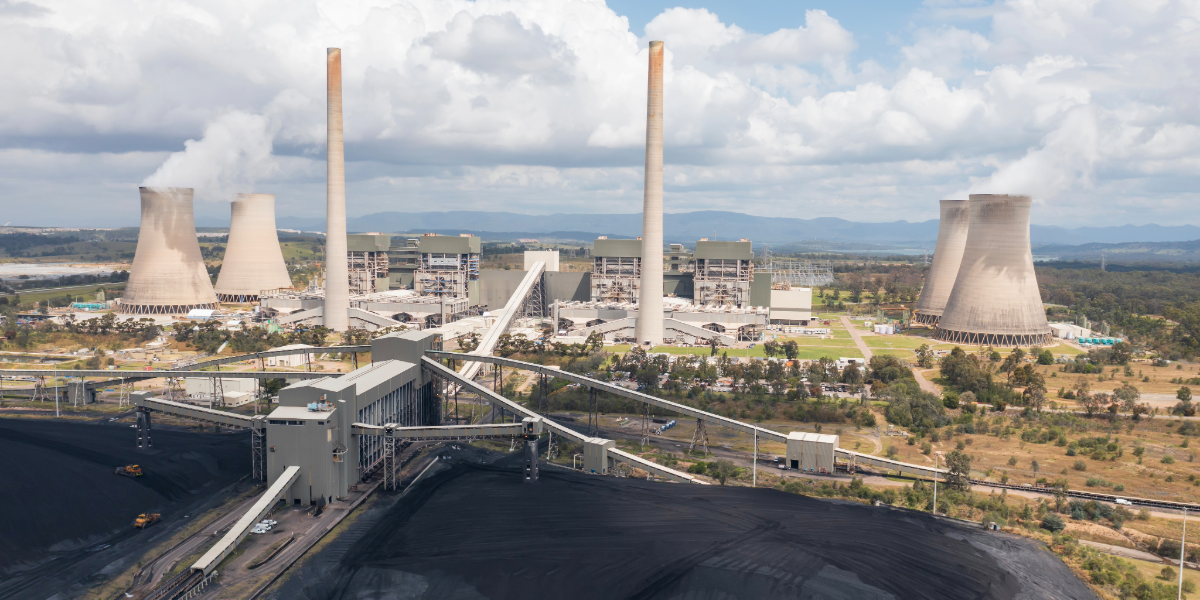
NSW councils have called for big coal, oil, and gas companies to help pay for climate disasters, rather than leaving ratepayers to pick up the bill.
Councils at the Local Government NSW (LGNSW) Annual Conference in Wollongong on Monday, 23 November, backed a motion supporting a national Climate Compensation Fund with dedicated, ongoing funding for local government.
The motion, tabled by Bayside Council, calls on the Federal Government to look at fair and sustainable ways to pay for the fund. That includes contributions from the coal, oil, and gas corporations that fuel climate change, in line with the polluter-pays principle.
Bayside is one of 22 councils across Australia, from Sydney City to Tweed, that have individually backed the campaign.
“Councils know what needs to be done to make our communities safer and more resilient,” said Bayside Council Councillor Soraya Kassim.
“We want to strengthen local infrastructure, prepare for extreme weather and protect the places people love. What we need is reliable funding to get on with the job.”
The cost to councils is already huge.
The NSW Auditor-General estimated climate disasters caused $349 million in damage to council infrastructure in 2021–22. Councils spent another $128 million on clean-up, emergency response, and other costs.
On the Mid North Coast, MidCoast Council told a NSW Parliamentary inquiry in February that recovery from the May 2025 floods would cost an estimated $226 million. A further $265 million would be needed for resilience improvements to reduce future damage.
LGNSW has also backed national calls for $400 million a year for local government climate adaptation, and $900 million a year to strengthen emergency management and disaster resilience.
Cr Kassim said communities deserved a fairer way of funding the infrastructure and services they need.
“This is about giving councils the resources to invest in the future, while easing the financial pressure on local families and businesses,” she said.
Existing disaster funding is often reactive or tied to specific projects. That leaves councils without reliable, ongoing support to plan for worsening climate impacts, and with limited ways to raise revenue, they face growing pressure to absorb the costs or raise rates.
Deloitte Access Economics estimated climate disasters cost the Australian economy $38 billion in 2020, with that figure projected to rise to between $73 billion and $94 billion a year by 2060.
The LGNSW decision builds on the unanimous adoption of Motion 92 at the Australian Local Government Association’s National General Assembly in June.
“Major polluters should be part of the funding solution, rather than leaving communities to carry the growing costs alone,” Cr Kassim said.
Got something you want to say about this story? Have your say on our opinion and comment hub, North Coast Times Engage