

Emergency services are urging communities across the Mid Coast to plan ahead and stay safe—whether in the surf, on the water or travelling through bushfire-prone areas.
The NSW Rural Fire Service (RFS), Surf Life Saving NSW (SLSNSW) and Marine Rescue NSW are calling on residents and holidaymakers to be prepared, make safe decisions, and look out for one another over the peak holiday period.
Already this summer, NSW has experienced a wide range of severe weather conditions, including storms and bushfires. While emergency services remain well prepared, authorities are encouraging the public to do their part.
Since July, RFS firefighters have responded to over 4,000 bush and grass fires, including incidents at Bulahdelah on the Mid North Coast and Koolewong on the Central Coast earlier in December. The RFS’s Chinook waterbombing helicopter has conducted more than 400 drops this season, delivering over 3.2 million litres of water to firegrounds across the state.
In addition to aerial firefighting, the RFS has invested in long-term capability, completing 47 new or upgraded brigade stations and delivering 281 new or refurbished trucks during the last financial year.
With hot, dry weather and increased holiday travel expected, the RFS is reminding people to:
- Check the local Fire Danger Rating and weather conditions;
- Have a bush fire survival plan and discuss it with your family;
- Understand the fire risks of your travel destination;
- Download the Hazards Near Me app and set Watch Zones for where you live and travel.
“Our firefighters do what they can to prepare, but it is a shared responsibility. Now is the time to prepare your property and family for the threat of bush and grass fires,” said RFS Commissioner Trent Curtin.
“We’re urging holidaymakers to think ahead, check conditions and fire ratings and understand what to do if a fire starts nearby. Review and discuss your bush fire survival plan. Know when you’ll go, where you’ll go and what you’ll take with you,” he added.
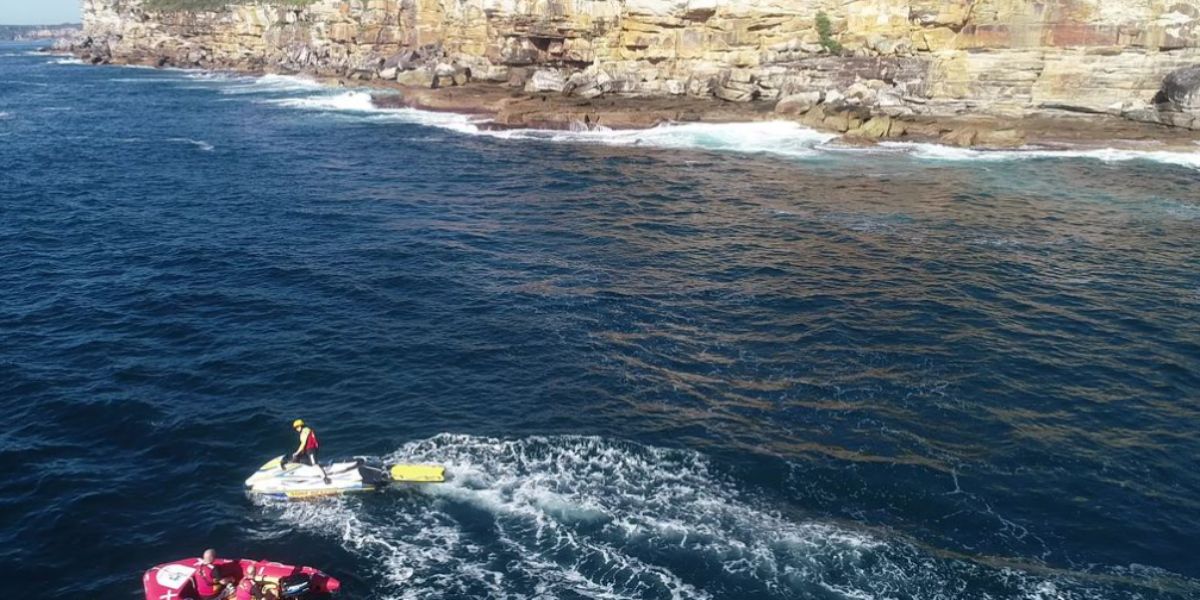
Water safety remains a key focus for authorities, with SLSNSW enhancing its capability over the past year by expanding coverage at unpatrolled locations. This includes the deployment of an additional 25 jet skis, installation of more Emergency Response Beacons (now totalling 67), and a trial of artificial intelligence cameras at rock fishing blackspots.
Heading into the summer, SLSNSW is reinforcing its core safety messages:
- Swim between the red and yellow flags at patrolled beaches;
- Avoid swimming alone or at unpatrolled beaches;
- Supervise children at all times;
- Look out for rip currents and speak with lifesavers before entering the water;
- Never mix alcohol with swimming or water activities.
“Our 21,000 volunteer lifesavers will be on duty to protect people on beaches across the state throughout the summer,” said SLSNSW CEO Steven Pearce.
“Our message is simple: please choose a patrolled beach, supervise your children and swim between the flags,” he said.
Marine Rescue NSW is also preparing for a demanding summer season following record-breaking activity in September and October. More than 3,500 volunteers are on standby to assist boaters in distress at any hour, anywhere along the NSW coastline.
Last December and January, Marine Rescue NSW conducted 1,379 search and rescue operations, including 346 emergency responses, returning over 3,400 people safely to shore.
Acting Commissioner of Marine Rescue NSW Todd Andrews urged boaties to take precautions.
“With large numbers expected to enjoy our waterways over the summer holidays, we are reminding boaters to ensure their vessels are in working order, with batteries fully charged and adequate clean fuel on board, with plenty in reserve,” he said.
“Plan and prepare—every safe trip starts before you hit the water. Carry the correct safety equipment, always wear a lifejacket, monitor conditions at all times, and always log on with Marine Rescue NSW via the app or VHF Channel 16,”
Minister for Emergency Services Jihad Dib stressed the importance of personal responsibility and forward planning this holiday season.
“There are simple actions you can take to prepare, like checking the weather, reviewing your bush fire survival plan, swimming at patrolled beaches, and supervising children at all times,” Minister Dib said.
“We want everyone to be safe these holidays. By taking a few minutes to plan ahead, you’re helping protect yourself, your family and our emergency services,” he said.
“Our volunteer lifesavers and lifeguards are such an important community asset, and this summer will be no different. I encourage you to follow the directions of lifesavers and only swim at patrolled locations—it’s the safest way to enjoy your holiday.”
He also reminded the public to “download the Hazards Near Me app and stay across any warnings to keep you and your families safe.”
Something going on in your part of the North Coast people should know about? Let us know by emailing newsdesk@nctimes.com.au