

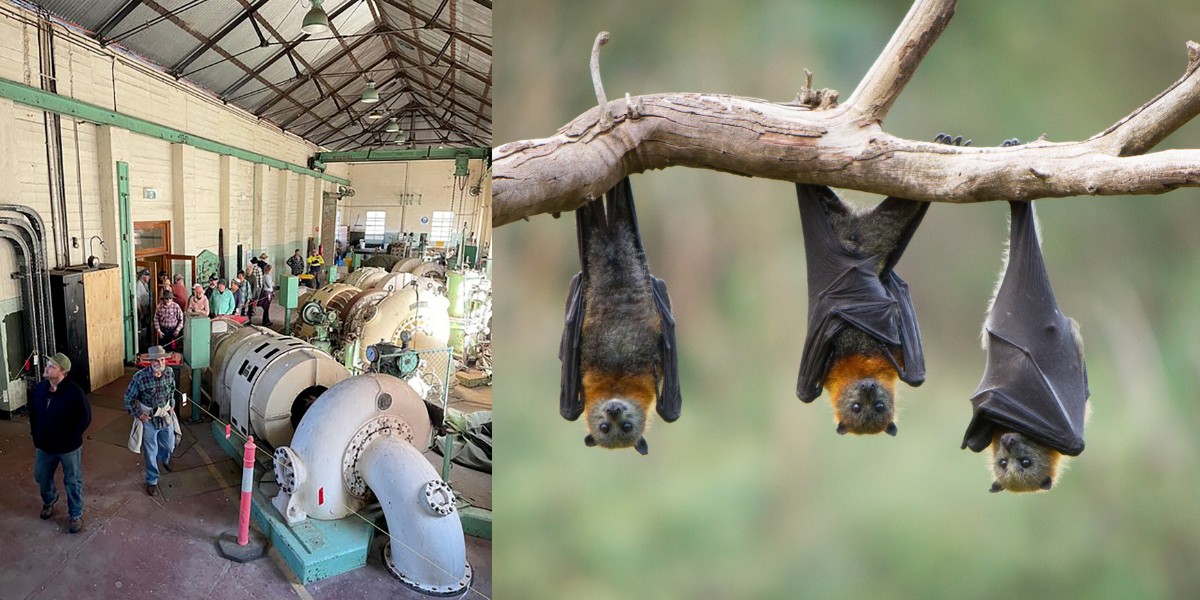
Clarence Valley Council wrapped up a full agenda at its June Ordinary Meeting, adopting its annual budget and operational plan, launching a new agricultural grants program, endorsing a new flying fox management strategy and taking steps toward establishing a powerhouse museum.
The meeting was held on Thursday, 18 June, at the Grafton Council Chambers. It commenced at 9.30 am and ran through to 4.20 pm, with councillors working through one Mayoral Minute, 13 consent items, 15 debated items and two Notices of Motion.
Budget and planning locked in for the year ahead
Among the most significant items adopted at the meeting was the Integrated Planning and Reporting Framework, the suite of documents that sets out how council will deliver services and fund its operations.
The package included a Long-Term Financial Plan, a Workforce Management Strategy and an Asset Management Strategy. Council also adopted its Operational Plan, which outlines activities for the year ahead, and a Capital Works Program covering the next four years.
The rating structure for the coming year was also confirmed. The base rate will increase by $25 for residential ratepayers in the Yamba Maclean, Townsend, Grafton and Junction Hill categories. Business rates will increase by $25, Farmland by $18, Residential Outside Town Areas and Coastal Villages by $33, and Business Jetties by $3.
Five farms share inaugural sustainable agriculture grants
Five local farming operations will receive a share of almost $24,000 through the Clarence’s first-ever Sustainable Agriculture Small Grants Program, a $25,000 initiative designed to support environmentally responsible farming practices across the valley.
The inaugural program drew 50 applications, which were assessed by a panel of three judges before being narrowed down to five recipients.
The successful projects are: the Local Loop Fertility and Soil Health Demonstration Project at Pigface Farm in Mororo; Sunny Acres Farm education and space enhancements at Palmers Channel; Chaffin Creek Farm’s Regenerate Learn Grow project at Pillar Valley; Irrigation Infrastructure and River Protection at Nymboida; and a Riparian Zone Restoration project at Levenstrath, covering weed removal, stock exclusion fencing and off-stream watering infrastructure.
New flying fox strategy takes a valley-wide view
Council has adopted a Flying-fox Camp Management Plan 2026, replacing a previous site-specific approach with a coordinated, LGA-wide strategy.
The plan focuses on camps at Maclean, Ulmarra and Glenreagh, and is built on the recognition that flying-fox populations are highly mobile and that actions taken at one camp can affect outcomes at others. The integrated approach is intended to bring greater consistency and effectiveness to management across the entire local government area.
Powerhouse museum committee endorsed
The Nymboida Hydro-Electric Powerhouse Museum is a step closer to opening its doors, with council endorsing the 13-person Section 355 committee that will drive the project forward.
The committee, officially endorsed at the June meeting, consists of Lyle Gilmore, Fortunat Nienhaus, Norelle McLennan, Lorena Chater, Lynney Grieves, Clem D’Alessandro, Eloise Cichero, Peter Nixon, Robyn Nixon, Kim Lavery, Richard Buckmaster, Jon Lavery and Phillip Wakeling.
The group will be responsible for planning and delivering public tours of the historic facility once essential safety works are complete and governance and risk requirements have been met.
Guide to engaging with Aboriginal communities
Council also adopted the Three Nations One River Aboriginal Cultural Insights and Engagement Guide, a document developed in consultation with local Yaegl, Bundjalung and Gumbaynggir people that will shape how the organisation works with Aboriginal communities.
Consultation with Elders and communities found that Aboriginal people want to be engaged through informal relationship-building, having a cuppa and a yarn, alongside formal local government processes such as online public exhibition of plans and strategies.
The guide provides council staff with direction on cultural protocols including Welcome to Country, Men’s and Women’s Business, Smoking Ceremonies and Sorry Business. It also addresses expectations around Indigenous cultural and intellectual property.
The next Ordinary Council Meeting is scheduled for July.
Like what you’re reading? Support North Coast Times by making a small contribution today and help us keep delivering local news paywall-free. Donate now