

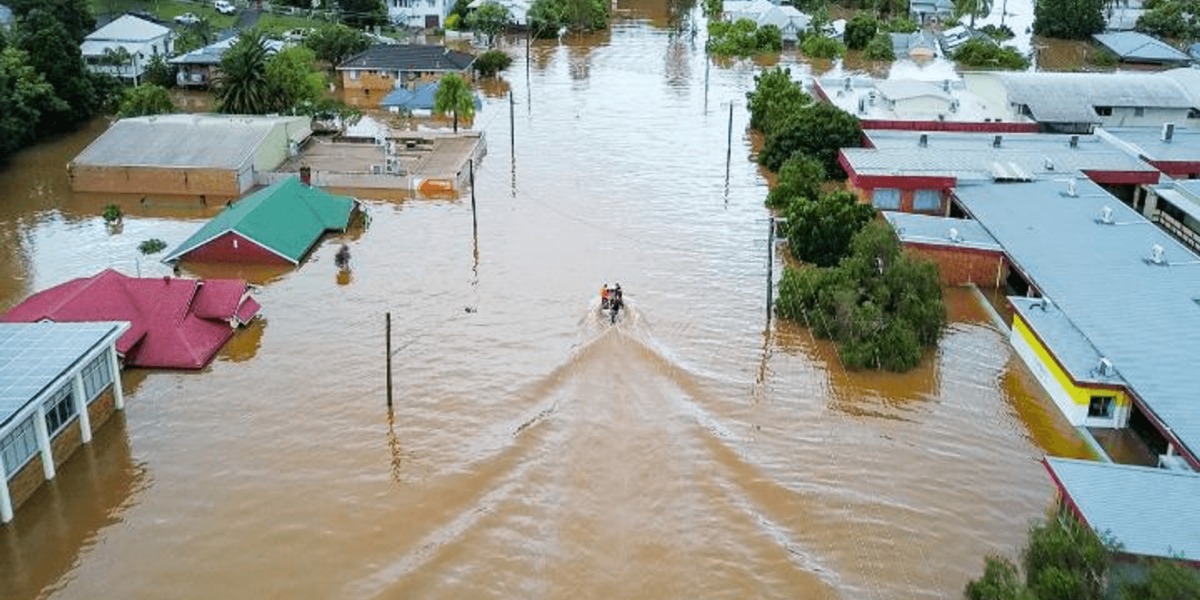
Communities across northern and Mid North Coast NSW are set to benefit from a $5 million recovery program that will repair damaged agricultural drainage systems, helping farmers restore productive land and strengthening resilience after Tropical Cyclone Alfred.
Jointly funded by the Australian and NSW governments under the Disaster Recovery Funding Arrangements (DRFA), the Tropical Cyclone Alfred Agricultural Drainage Reset Program will restore critical drainage flows at 25 council-nominated sites across the Richmond Valley, Ballina Shire, Rous County, Tweed Shire and Kempsey Shire local government areas.
Federal Emergency Management Minister Kristy McBain said the investment would help farming communities recover faster and reduce the impacts of future flooding.
“Farmers across Northern NSW have faced repeated severe weather blows. This program delivers practical, on-the-ground recovery to ensure flood-affected agricultural land drains quickly after heavy rain, reducing costly business disruptions for our producers,” she said.
“By empowering local councils to nominate their highest-priority sites, the Albanese and Minns governments are ensuring recovery funds target the areas where our primary producers need support the most.”
Blocked or damaged agricultural drains can leave floodwaters sitting on low-lying farmland for extended periods, destroying crops, degrading soil and delaying food production. The first round of projects, identified by local councils, will now move into planning, approvals and delivery.
NSW Minister for Recovery Janelle Saffin said the program built on the success of earlier drainage reset works in the Northern Rivers and would help farming communities recover while preparing for future disasters.
“Our primary producers require this sort of recovery and resilience support after multiple flood events in the North and Mid North Coast. Their resolve has been well and truly tested over the past decade following fires, floods, storms, COVID, War in the Middle East and a myriad of other disruptions but they have come up even more resilient.” Saffin said.
“I am a strong advocate for this program because we’ve already proven it works. During the earlier Northern Rivers reset, clearing 77 drainage sites made a massive difference on the ground. To get them done we also had to get over farmers having to go through a myriad of permissions to do so. Now that is cracked, it is my intention to have permission procedures like these built into the disaster adaptation plans so that farmers can continue to keep the maintenance up to date themselves.
“By hitting these next 25 priority locations, we are helping our farmers get back to business faster and building vital resilience against future wet weather.”
Priority projects include:
- Kempsey Shire: Clearing about 5km of critical flood mitigation drains east of Gladstone to restore water flow.
- Tweed Shire: Major drainage improvement and recovery works at the Condong Creek outlet.
- Richmond Valley: Removing flood debris, dense vegetation and sediment from the 1.12km Rattle Gully agricultural drain at Broadwater.
- Ballina Shire and Rous County: Restoring key agricultural floodgate drainage outlets and associated pipework, including major works at Pimlico, Empire Vale and Wardell to improve runoff into river systems.
Kempsey Shire Mayor Kinne Ring said restoring the Gladstone and Belmore River drainage network was critical for the Macleay Valley’s farming sector.
“Fixing the Gladstone and Belmore River drainage network is an absolute priority for the Macleay Valley’s agricultural community. When these systems in the lower flood plain are clogged with flood debris for significant periods, our local farmers pay the price with waterlogged paddocks and sometimes months of lost productivity,” said Ring.
“This joint funding means Council can work directly with the Soil Conservation Service to clear five kilometres of vital flood drains. It’s exactly the kind of practical, coordinated infrastructure support our rural landholders need to recover properly and prepare for the next event.”
The NSW Reconstruction Authority is administering the program in partnership with the NSW Soil Conservation Service, providing specialist expertise in sediment management and environmental management throughout the works.
Soil Conservation Service Northern Area Manager Thor Aaso said the organisation was ready to deliver the next stage of the recovery program.
“The NSW Soil Conservation Service is proud to provide its expertise and knowledge to help assist in restoring drainage function at 77 priority sites across the Northern Rivers. Addressing significant drainage issues such as Narho Creek represents significant flood relief milestones for all involved.
NSW Soil Conservation Service looking forward to delivering the next round of agricultural drainage network improvements, impacted by Tropical Cyclone Alfred.”
Don’t miss any of the important stories from around the region. Subscribe to our email list.