
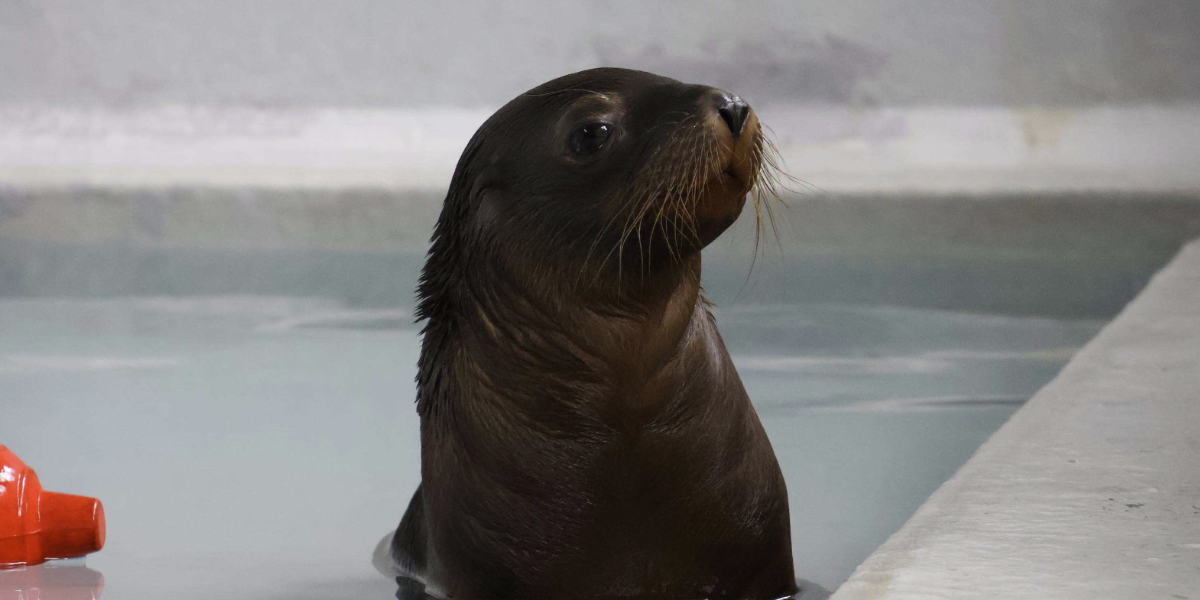
She was once an orphaned pup alone on a beach. Now Adelaide is a mum of three, after giving birth to an endangered Australian sea lion pup at Coffs Coast Wildlife Sanctuary in Coffs Harbour.
Adelaide and dad Ozzie have welcomed a baby boy, now one month old, who is a little brother for Gary and Hugo.
But this new arrival is about much more than a cute face. Australian sea lions are endangered and found only in Australia, so every single birth counts.
“Welcoming another Australian sea lion pup is always incredibly special, but this little guy has an even more meaningful story because of his mum, Adelaide,” said Coffs Coast Wildlife Sanctuary Managing Director Tiga Cross.
Born in the wild around 2007, Adelaide was rescued as an orphaned pup from a beach in South Australia. She could not survive on her own, so she was given specialist care and a permanent home.
“Adelaide was rescued from the wild as an orphaned pup and given a second chance at life,” Ms Cross said.
“To see her now raising another little pup of her own is a beautiful reminder of why the work we do matters.”
Adelaide had her first pup, Hugo, on 28 September 2019. Gary, also known as Garlambirla, followed on 2 February 2024.
The species breeds painfully slowly. Most seals and sea lions breed every year, but female Australian sea lions usually have just one pup every 17 to 18 months.
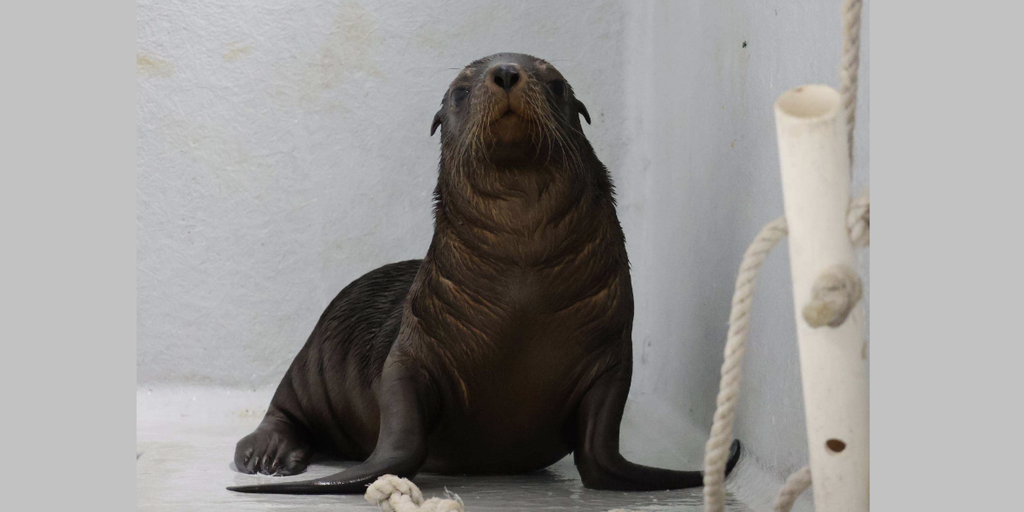
Pregnancy can last up to 14 months, and pups can depend on their mums for about 18 months after that. It means numbers struggle to bounce back when populations fall.
In the wild, the sea lions face fishing-related entanglement, marine pollution, disease, and changes to their marine environment.
Now there is a new danger on the horizon. Highly pathogenic avian influenza, known as H5 bird flu, can also infect seals and sea lions. Outbreaks overseas have killed large numbers of marine mammals.
“With threats like bird flu now affecting marine mammals around the world, facilities like ours have an increasingly important role to play,” Ms Cross said.
“It’s not just about caring for the animals here at the Sanctuary.”
“It’s about contributing to research, understanding emerging threats and supporting conservation efforts that can help protect these species in the wild.”
The Sanctuary, formerly known as the Pet Porpoise Pool and Dolphin Marine Conservation Park, is now a not-for-profit registered charity. It is the only licensed marine mammal rehabilitation facility between Sydney and the Gold Coast, and takes part in the Australasian Species Management Program.
It receives no ongoing government operational funding for its wildlife rescue and rehabilitation work, relying instead on community donations, sponsorships, and visitor support.
“Australian sea lions are already endangered, and with their incredibly slow breeding cycle, losing even small numbers of animals can have serious consequences for their future,” Ms Cross said.
“Welcoming this little pup is something worth celebrating, but it’s also a reminder of our responsibility to protect the species for generations to come.”
Visitors will have to wait to meet the newest member of the family. The pup is not on public display, giving Adelaide and her baby the privacy, care, and quiet they need during these important early stages.
The marine mammal team is keeping a close eye on mum and bub, and updates on public viewing will be shared when appropriate.
There is one more thing the little pup is missing: a name. The Sanctuary will soon launch a community naming competition, with details to be posted on its social media pages.
“With big brothers Gary and Hugo already part of the family, we can’t wait to see what creative names our community comes up with for their little brother!” Ms Cross said.
Something going on in your part of the North Coast people should know about? Let us know by emailing newsdesk@nctimes.com.au