

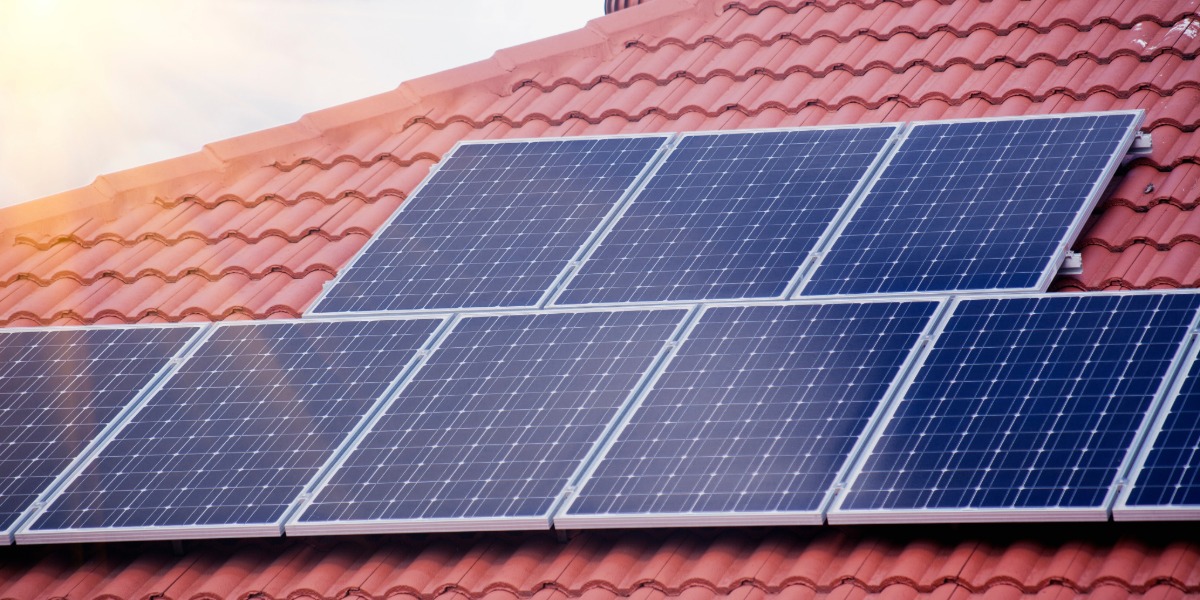
Households that switch to electric homes and cars are now saving an average of $4,300 a year, as fuel prices surge and the cost of solar panels, batteries, and electric vehicles keeps falling, new analysis has found.
But renters, low-income homeowners, retirees, and others are still missing out, according to Rewiring Australia’s 2026 Home Energy Savings report.
The report found a volatile global economy driven by war in the Middle East has sped up the shift to electric homes and vehicles in Australia.
“Every day, about 3,000 Australians replace a gas appliance in their home,” said Rewiring Australia CEO Francis Vierboom.
“Another 3,500 buy a new car.”
“In order to lower energy bills, cut dependence on fossil fuels and help the planet, people should be choosing an electric replacement.”
Households that swap gas appliances and petrol cars for electric nearly halve their energy costs, cutting bills by $4,600 a year on average, or $8,000 with rooftop solar and a battery. Even after paying for the upgrades, they come out $3,000 a year ahead, rising to $4,300 with solar and a battery.
It is not just for freestanding houses or large families, with apartments standing to save $1,800 a year from upgrading.
On average, 1,100 home batteries have been installed every day since 1 July 2025. A 15 kWh battery cuts energy bills by $800 to $1,200 a year for an all-electric household with solar.
Electric vehicles now dominate new car sales. The EV share of small cars has grown from under 7 per cent in the last quarter of 2025 to more than 20 per cent in the second quarter of 2026, and BYD’s Atto 1 and Dolphin have brought sticker-price parity to small cars. With no upfront price premium, these cars save $1,800 a year from the start.
Prices across 13 EV models have fallen about $24,000 since 2020, and the used EV market has grown 70 per cent a year since 2023.
Renters, however, continue to be shortchanged. Only about 10 per cent of renters have solar panels, compared with more than 40 per cent of owner-occupiers. Landlords have the power to install solar and upgrade appliances, but little incentive to do so because the savings go to their tenants.
“Just shy of three million Australian families rent and around 1.6 million of those are in apartments who can save up to $1,800 a year by going fully electric,” Mr Vierboom said.
“Ensuring appliances in rentals are upgraded to electric over time will unlock savings for these millions of renters – and it only gets better if we also get plug-in solar and batteries on Australian shelves so renters can take electric savings with them.”
The report points to the need for government-backed flexible finance to help households manage the upfront cost of switching.
“Victoria’s developed a clear plan for getting off gas, and the ACT and NSW already offer low or no interest loans to help people upgrade to cheaper and cleaner homes,” Mr Vierboom said.
“But we could be slashing bills much faster with clearer signals and policies that support the upgrade to electric.”
The report also recommends a national roadmap for the orderly wind-down of Australia’s residential gas network.
“Households currently spend more than $24 billion a year on petrol and diesel and that figure keeps rising as bowser prices go up,” Mr Vierboom said.
“The best and cheapest way to shield Australians from these shocks is to help them go electric.”
The full report can be read at https://rewiringaustralia.org/impact/research/home-energy-savings-report-2026.
Read all the way through to the end of the story? So did lots of other people. Advertise with North Coast Times to reach locals who are interested and engaged. Find out more here.