

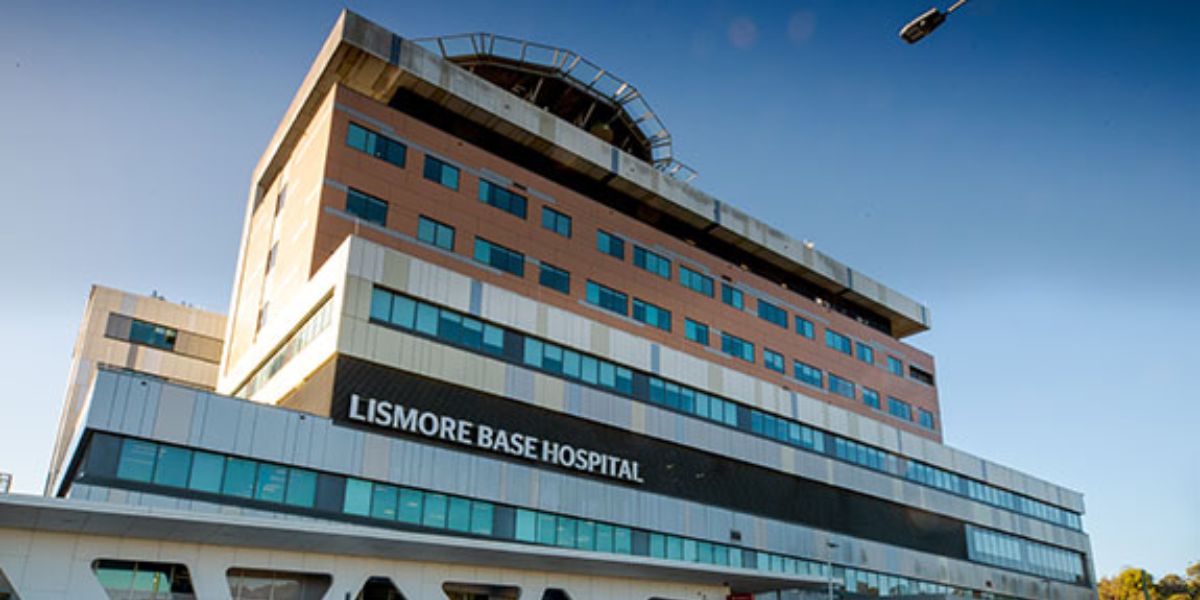
Lismore Base Hospital is in line for more security staff, and Mid North Coast patients could get hospital-level care at home if the Minns Labor Government is re-elected.
Lismore MP Janelle Saffin has welcomed confirmation that Lismore Base Hospital is one of 27 hospitals across NSW earmarked for additional security.
“The safety of our frontline health workers and patients is of paramount importance so more security staff are most welcome,” Ms Saffin said.
The state will recruit an extra 129 full-time equivalent frontline security staff as part of a $113 million investment. That will mean full-time security at 27 hospitals across NSW.
“Violence in our hospitals is unacceptable – accounts of these incidents are distressing and we are determined to clamp down on these occurrences,” said Health Minister Ryan Park.
“This first step is a positive one but our members need to have more support and the ability to prevent incidents from occurring in the first place,” said NSW Health Services Union Secretary Gerard Hayes.
“We look forward to working with the NSW Government to ensure our members can protect staff, patients and visitors into the future.”
There is also a plan to take some patients out of hospital beds altogether. Premier Chris Minns has committed to rolling out a new $259 million service, NSW Health @ Home, that would let eligible patients receive hospital-level treatment in their own homes.
“Not every patient needs a hospital bed. But every patient deserves the right care,” Mr Minns said.
“This commitment means more people can get that care at home, while we free up space in our hospitals for those who need it most.”
The service would be introduced in stages across eight local health districts. Mid North Coast is one of them, along with Western NSW, Illawarra Shoalhaven, Central Coast, Far West, Northern Sydney, Western Sydney, and Sydney.
Patients with chronic or complex conditions may be eligible. That includes people with diabetes, infections such as cellulitis, and pregnant women with severe morning sickness (hyperemesis), as well as patients recovering from surgery.
They would receive care from doctors, nurses, specialists, and allied health professionals through telephone and virtual consultations, visits from NSW Health clinicians, or both.
Patients can be referred by their GP, a NSW Health Urgent Care Service, NSW Ambulance, a hospital emergency department, or the 1800MEDICARE free health advice line. The service would be voluntary, and patients who need or prefer hospital treatment would still have access to it.
“For people with complex or chronic conditions, this service also means fewer trips to the hospital and the option to receive care at home,” Mr Park said.
“This is about unlocking more capacity in our hospital system and giving patients greater choice in how and where they receive care.”
Don’t miss any of the important stories from around the region. Subscribe to our email list.