

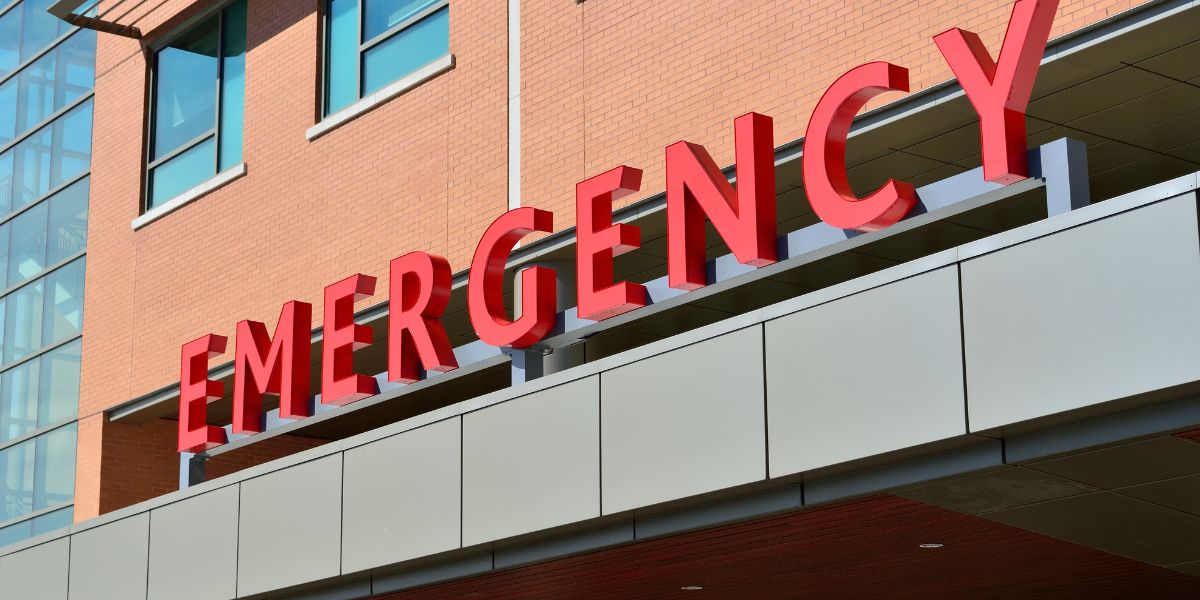
The State Government has established a permanent command centre to coordinate the management of peak hospital demand during winter, providing real-time oversight of patient flow across the state’s health system.
The Health System Operations Command Centre brings together System Flow Officers, NSW Ambulance and Patient Transport Services to strengthen operational coordination and oversight. System Flow Officers work with all 17 local health districts and specialty health networks to monitor demand in emergency departments (EDs), identify emerging pressures and coordinate responses across the system.
Health Minister Ryan Park said the command centre would oversee the health system’s response to increased seasonal demand.
“We have established a command centre to oversee our hospital system’s winter preparedness and response to the increased demand that we see during this season.”
When high demand is identified at an ED, the Command Centre works with NSW Ambulance to redirect suitable patients with non-life-threatening conditions to hospitals with available capacity. The aim is to improve access to appropriate care, reduce pressure on busy emergency departments and return ambulances to frontline duties sooner.
NSW Health Secretary Susan Pearce said the centre formalised an approach previously used during periods of peak demand.
“We’ve had command centres before in period of peak demand, but now we’re making it permanent to give us strong oversight over how the system is responding to the demands of the season.”
During periods of increased demand, the Command Centre also prioritises patients awaiting Patient Transport Services for transfer home or to residential aged care facilities. This is intended to improve patient flow, free hospital beds more quickly and support timely access for incoming patients.
Pearce said the command centre was one element of the state’s broader winter preparedness strategy.
“This is just one of the ways we have prepared the healthcare system for winter. We also have the capacity to surge up bed numbers as needed, extend operational hours for hospital services, and support our staff to improve patient flow through hospitals.”
Winter illness activity
Presentations to emergency departments and hospital admissions for influenza-like illness have continued to increase in recent weeks, including among children aged under 10.
Influenza activity is currently at a moderate level, with 2,509 laboratory-confirmed cases notified in the week ending 25 July. NSW Health says this represents only a proportion of influenza infections in the community because only laboratory-confirmed cases are reported.
Healthdirect continues to provide an alternative pathway to care during periods of increased hospital demand, helping people access appropriate services, including virtual care and urgent care, without attending hospital where clinically appropriate.
Park urged people with non-life-threatening conditions to seek advice before presenting to an emergency department.
“If you don’t have a life-threatening condition, please call healthdirect on 1800 022 222 where you can receive free health advice and you could potentially avoid an unnecessary wait in an ED.”
NSW Health is also encouraging people to stay up to date with vaccinations against influenza, RSV and COVID-19. Vaccinations are available through GPs, community pharmacies and Aboriginal Medical Services.
Park said vaccination remained an important part of preparing for winter.
“We also encourage people to stay up to date with their vaccines.”
Park said the government was increasing hospital capacity and staffing to meet demand.
“In the meantime, we are bolstering the capacity of our hospitals with more hospitals, beds and treatment spaces as well as more health workers.”
Like what you’re reading? Support North Coast Times by making a small contribution today and help us keep delivering local news paywall-free. Donate now