

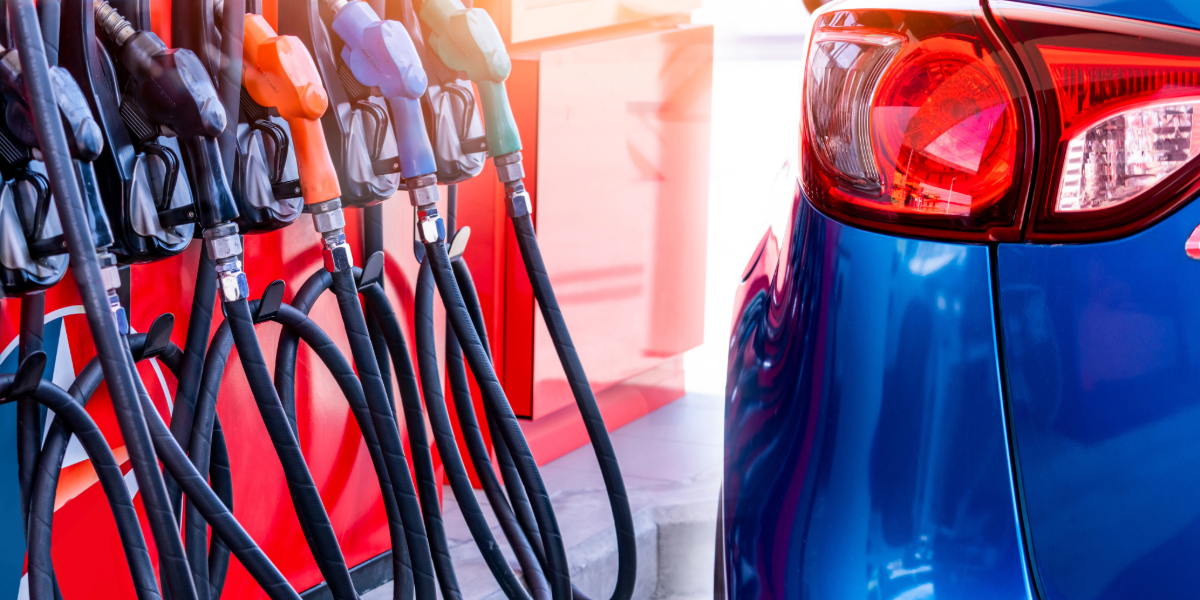
Motorists from the Hastings to the Clarence could see fuel excise automatically halved during major price shocks, under a Fuel Price Shield policy being pushed by North Coast federal MPs.
The Coalition’s Fuel Price Shield would automatically halve fuel excise when the two-week average international oil price rises above US$100 a barrel. At current rates, the measure would cut petrol prices by approximately 27 cents a litre, saving motorists around $15 each time they fill an average tank. The heavy vehicle road user charge would also be reduced to zero while the shield was operating.
Federal Member for Lyne Alison Penfold said the measure would provide practical relief to regional families, farmers and businesses during global oil price shocks.
“When international oil prices surge, the Fuel Price Shield would provide immediate relief at the bowser,” Ms Penfold said.
“When oil prices return to normal, the regular fuel tax arrangements would resume.”
“From the Hastings to the Hunter, fuel is an essential household and business expense, not a luxury.”
“People in our region regularly commute long distances for work, specialist medical appointments, sport, education or to visit family.”
“Our farmers need fuel to operate machinery and move produce, while truck drivers and freight operators cover vast distances to deliver food, fuel and other essential supplies.”
Federal Member for Page Kevin Hogan said sharp rises in global oil prices were flowing quickly through to household and business costs across his electorate.
“Fuel is not a luxury. Families need it to get to work, take the kids to school, and businesses need it to keep their businesses running,” Mr Hogan said.
“When global events send oil prices through the roof, families should know there is a clear automatic safeguard in place. In the middle of a fuel crisis it makes sense to provide targeted fuel tax relief.”
“In regional Australia you cannot just decide to stop driving. People often travel long distances for work, school, medical appointments and the weekly shop.”
Under the policy, fuel excise would automatically be halved and the heavy vehicle road user charge cut to zero once the two-week average closing price of Brent crude rises above US$100 a barrel, with changes applying from the following Monday. The shield would run until either the eight-week average price fell back below US$100 a barrel, or three months had passed, whichever came first, unless extended following a government review.
Coalition analysis indicates the shield would have been triggered only twice in the past five years, during the oil price shocks of early 2022 and March 2026, running for around six months and three months respectively. The policy is estimated to cost around $950 million for each month it is activated.
The Fuel Price Shield sits alongside a broader Coalition fuel security plan that would more than double Australia’s minimum fuel stockholding requirements to 60 days, create more than one billion litres of new fuel storage capacity, establish a daily public dashboard tracking fuel supplies, and support additional refining capacity.
“Whether you are commuting from the Manning to Port Macquarie, travelling from Dungog or Gloucester towards Newcastle, driving to Sydney for medical care, running a farm or transporting goods along the Pacific Highway, lower fuel costs would make a real difference,” Ms Penfold said.
Got something you want to say about this story? Have your say on our opinion and comment hub, North Coast Times Engage