

The next phase in the recovery of the Orara River — a largely unheralded tourism asset and the source of Coffs Harbour’s drinking water — is mapped out in a new 10-year action plan.
The Draft Orara River Rehabilitation Strategy 2026–2036 targets the riparian zones adjacent to the Orara River, Urumbilum River, Bucca Bucca Creek and their tributaries. The draft is now on public exhibition for community feedback.
As well as being the primary catchment for Coffs Harbour’s drinking water supply, the Orara River is home to the endangered Eastern Freshwater Cod and a range of threatened and significant species and vegetation communities, including Lowland Rainforest.
A rehabilitation program for the Orara River began in 1998 through local Rivercare groups, which formed the Orara Valley Rivercare Groups Management Committee. The committee continues to manage the project.
The City of Coffs Harbour joined the initiative as a partner in 2000. Since then, the program has brought together government agencies and landholders to improve the health of the river system.
“The Orara is a critically important river system, and it’s also popular for recreational activities, particularly fishing, swimming and kayaking,” Mayor Nikki Williams said.
“The past 28 years of the Orara River Rehabilitation Project has seen significant improvements to the natural environment though there’s still some way to go.”
The project area covers 48 per cent of all waterways within the Coffs Harbour local government area. It was established in response to declining water quality in the upper catchment caused by gravel extraction, land clearing, erosion and associated sedimentation.
The condition of the Orara River has improved markedly since the project began, with ongoing weed control, bush regeneration, erosion management and landholder education central to its success.
“The initiative is one of the longest running river health projects in Australia,” City Communities and Planning Director Ian Fitzgibbon said.
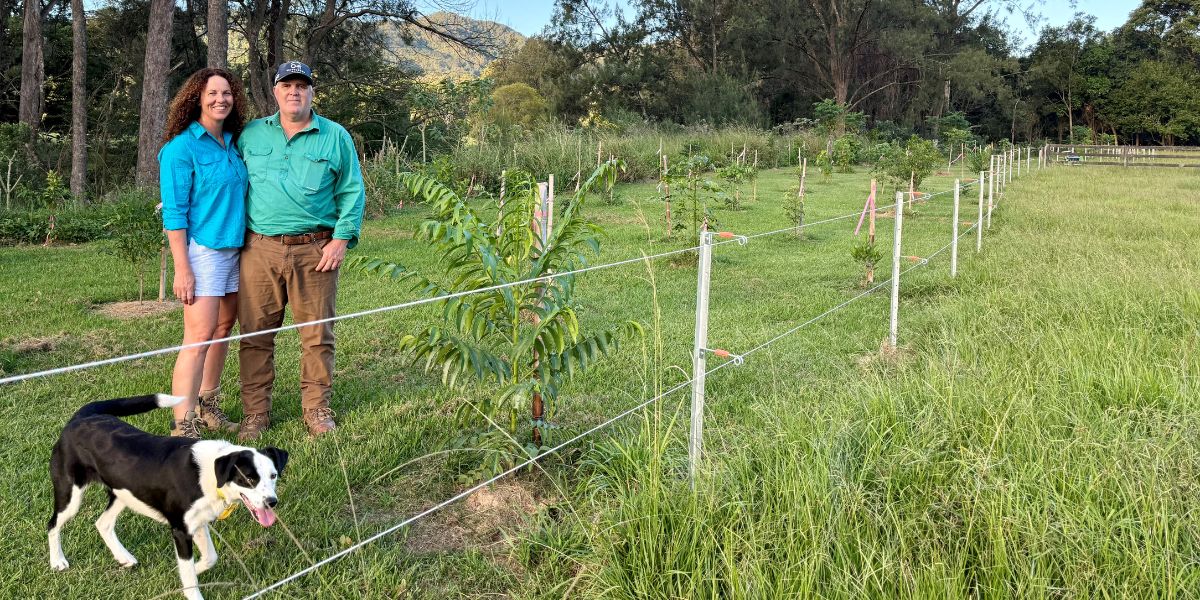
“The draft strategy calls out the need for further collaboration and partnerships for on-ground activity such as weed control, revegetation, livestock exclusion fencing and erosion control, along with environmental monitoring and community education initiatives.
“While more than 200 landholders have jumped on board to the point where some properties are now at the point of straight forward maintenance works, not all riparian land has been rehabilitated so the threat of weeds and erosion remains, which if left unchecked, could impact our drinking water supply.”
Participating landholders dedicate a minimum of 10 metres and up to 30 metres of riverbank along waterways for rehabilitation. These areas are removed from production and managed solely for riparian restoration and aquatic ecosystem health.
Because the river system is prone to flooding, weed spread remains a constant challenge. The project focuses on controlling priority invasive species including Tropical Soda Apple, Cats Claw Creeper and Madeira Vine.
More recently, the project has worked with intensive horticultural operations, including cucumber and blueberry farms, to improve the management of nutrient-rich wastewater and promote on-farm soil management practices. This work is being undertaken in partnership with North Coast Local Land Services and Southern Cross University.
The Orara River Rehabilitation Project receives annual funding from a range of sources, including the City’s Environmental Levy, the NSW Department of Primary Industries and Regional Development (through Local Land Services and NSW Fisheries), and the National Landcare Program.
The City and the Orara Valley Rivercare Groups Management Committee developed the draft strategy, which will replace the previous strategy released in 2013 if adopted.
The draft strategy is available for public comment until Tuesday, 30 June. Feedback can be provided via the City’s website.
Like what you’re reading? Support North Coast Times by making a small contribution today and help us keep delivering local news paywall-free. Donate now