

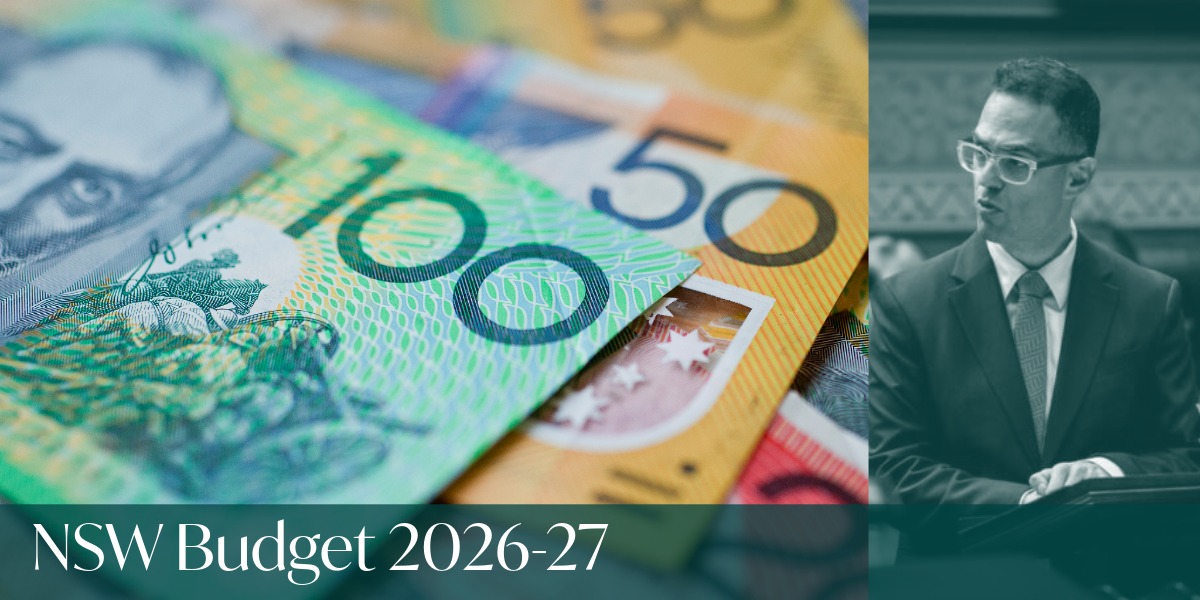
North Coast families will pay less to register their cars, see Grafton Base Hospital get a new maternity unit, and benefit from nearly $3 billion in regional health investment under the NSW Budget handed down on Tuesday.
Treasurer Daniel Mookhey delivered his fourth budget with a state election less than nine months away, pitching it squarely at households being squeezed by rising fuel costs, interest rates, and grocery bills.
“People have been told by some during this time of great global uncertainty they are fated to be mere bystanders to great global events,” Mr Mookhey said.
“This is how we attack the cost-of-living crisis from every angle … this is what choosing our own fate looks like.”
$100 off rego
The biggest headline measure is a $561 million Transport Affordability Package. For most North Coast households, that means $100 off their annual vehicle registration. Motorbikes get an $80 cut.
About 1.9 million of the 4.4 million eligible vehicles statewide are in rural and regional areas, where there is little choice but to drive. A typical registration bill will drop from around $475 to $375.
A big win to deal with the weaknesses exposed in the recent fuel crisis is the FuelCheck app upgrade, with $2.6 million committed to improving price accuracy and enforcement at petrol stations across the state.
Public transport fares are frozen at 2025 prices for another year.
Grafton maternity unit among $3 billion for regional health
The budget’s biggest spend is on health, and the North Coast gets a direct share.
A combined state and federal investment of $10.3 billion in recurrent funding will recruit 9,000 more health workers and fund around 2,900 extra planned surgeries a year across NSW. A record $11.9 billion goes to building and upgrading hospitals statewide.
Of that infrastructure total, nearly $3 billion is earmarked specifically for regional hospitals and health facilities over four years. That includes a new maternity unit at Grafton Base Hospital, a long-wanted upgrade for families in the Clarence Valley.
Nurses and midwives receive the largest pay rise in more than 20 years, with increases of between 16 and 28 per cent over three years, backed by an extra $2.9 billion.
Free parking continues at rural and regional public hospitals. Patients who need to travel long distances for specialist care will keep access to travel and accommodation assistance. Up to six fully bulk-billed GP clinics across regional NSW are expected to open by mid-2027.
Workers get $1,000 payment
More than 120,000 NSW Government employees, including teachers, nurses, and police across the North Coast, will receive a one-off $1,000 cost-of-living payment. It is triggered because Sydney’s inflation rate exceeded four per cent between the March quarters of 2025 and 2026.
Energy bills
Households can apply for interest-free loans of up to $15,000 through the $557.1 million Home Energy Saver program to install solar, batteries, and energy-efficient appliances. Grants and discounts are also available alongside the loans. A further $7.2 million is directed specifically at energy-efficiency upgrades in regional NSW.
Pensioners keep water bill rebates and up to $250 off council rates and waste charges. Energy rebates continue for concession card holders, seniors, and households relying on life-support equipment.
Buying a home
First home buyers continue to save an average of $20,400 through transfer duty exemptions on purchases up to $800,000. A $10,000 First Home Owner Grant applies to eligible newly built homes, and around 30,000 more buyers are expected to benefit in 2026-27.
Schools
The budget commits $9.2 billion over four years for new and upgraded schools statewide. Of that, $2.3 billion goes to regional NSW, though no specific North Coast school projects were named in Tuesday’s release.
Families with children aged three to five can access up to $4,456 in fee relief at community and mobile preschools, and up to $2,563 for long day care programs. The 3-Year-Old Fee Relief scheme in long day care has been extended to the end of 2027.
Roads and floods
The North Coast knows better than most what flood damage does to roads. The budget commits $910.9 million to restore local and state roads and essential assets damaged by natural disasters, following years of severe flooding across the region.
A $153.9 million Regional Development Trust will back locally driven projects and community priorities across the regions.
Violence, safety, and the RFS
Domestic and family violence services get $184.1 million across six frontline programs, a 50 per cent funding boost phased in over four years. The government cited higher rates of domestic and family violence in rural and regional areas. Community workers in this sector will also receive a 4.75 per cent pay rise.
A landmark $470.1 million commitment over 10 years will transfer the state’s rural fire fleet from councils to the NSW Rural Fire Service, delivering better-resourced emergency response for communities that face significant fire risk every summer.
Budget bottom line
NSW will record a deficit of $2.3 billion in 2026-27 before returning to surplus in 2027-28.
“We have put the budget in a much stronger position by bringing spending growth under control,” Mr Mookhey said.
State economic growth is tipped to slow to one per cent this year before recovering to around two per cent over the following years, driven by renewable energy investment and data centres.
Got something you want to say about this story? Have your say on our opinion and comment hub, North Coast Times Engage