

The City of Coffs Harbour has reduced emissions from its core operations while identifying new measures to further cut its corporate carbon footprint.
At its 23 July meeting, Council resolved to place the updated draft Renewable Energy and Emissions Reduction Plan (REERP) and updated Greenhouse Gas Inventory on public exhibition for 28 days.
The City’s total corporate emissions for 2024-25 were 58,678 tonnes of carbon dioxide equivalent (tCO₂-e), compared with 51,214 tCO₂-e in 2019-20. However, the increase reflects expanded reporting requirements rather than higher operational emissions.
Emissions are reported across three categories: Scope 1 (direct emissions from City operations), Scope 2 (indirect emissions from purchased electricity and gas), and Scope 3 (indirect emissions generated through the supply chain for goods and services purchased by the City).
While total reported emissions increased between 2019-20 and 2024-25, this was primarily due to broader reporting boundaries, including expenditure-based Scope 3 emissions and emissions associated with the City’s precast concrete bridge business unit.
Importantly, Scope 1 and Scope 2 emissions have both declined since 2020, demonstrating progress in reducing emissions from the City’s core operations.
“This draft plan – produced by consultants Ironbark Sustainability – is the City’s most comprehensive emissions assessment to date,” Mayor Nikki Williams said.
“It is recommended the City regularly reviews the plan so we can capitalise on emerging technologies and opportunities which may well facilitate an even faster and more cost-effective transition.”
The updated Greenhouse Gas Inventory shows expenditure-based Scope 3 emissions account for 45 per cent of total corporate emissions, making them the largest single source. Waste sent to landfill contributes 26 per cent, while electricity use accounts for 21 per cent.
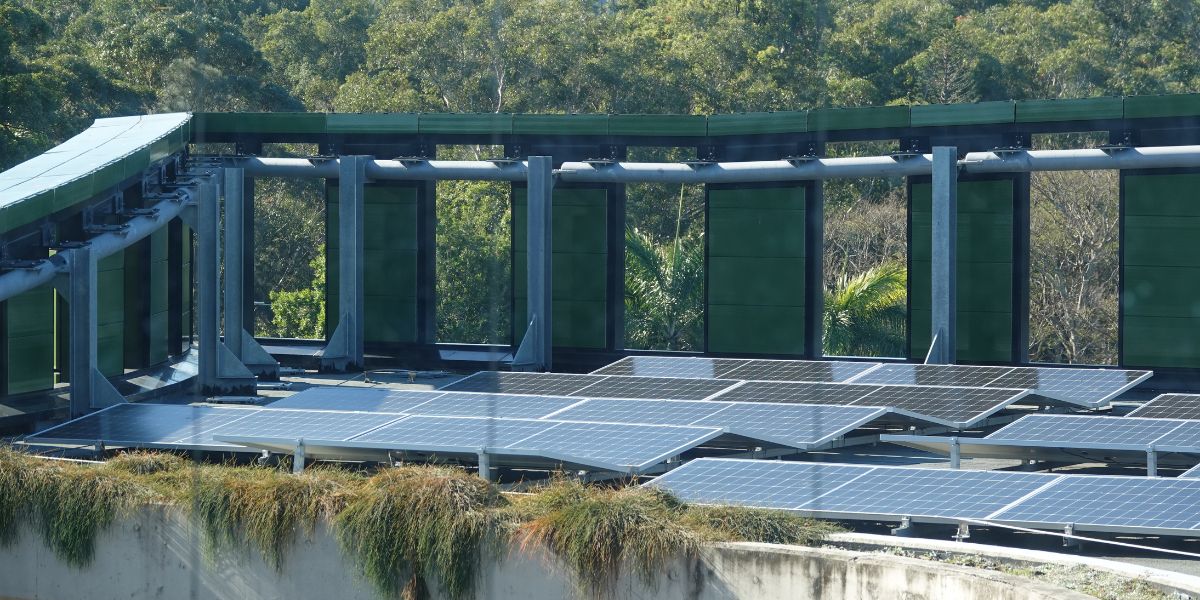
The draft REERP outlines a pathway to achieving net zero emissions by 2040. It is based on the updated emissions inventory and identifies actions including increasing renewable energy generation, improving energy efficiency, transitioning the vehicle fleet, expanding battery storage, reducing supply chain emissions, improving waste management practices, and embedding sustainability into future planning and decision-making.
The proposed measures are expected to deliver significant emissions reductions while providing long-term financial benefits for the community.
City Business Services Director Chloe Woodgate said the original REERP, adopted in 2021, was limited because it largely excluded supply chain emissions and set a net zero target of 2030 that did not include landfill emissions.
“The revised draft plan evaluates progress and achievements since the first REERP and identifies additional actions to support the City’s emissions reduction journey,” Woodgate said.
“We are tracking well in comparison with our neighbouring councils as Bellingen Shire has a net zero target year of 2040, while Clarence Valley, Kempsey Shire and Lismore City have identified 2050.”
Implementing the draft plan is expected to require a capital investment of $11 million and deliver projected lifetime savings of $30 million across the life of the assets.
High-priority actions identified in the draft plan include:
- installing behind-the-meter solar on suitable buildings
- replacing gas systems at holiday parks and sports stadiums
- adopting sustainability standards for new buildings, upgrades and equipment
- entering into a 100 per cent renewable energy power purchase agreement
- installing sufficient charging infrastructure to support the transition to electric vehicles
- transitioning precast concrete production to lower-emissions concrete
- reducing Scope 3 supply chain emissions.
The draft REERP is on public exhibition until Monday, 24 August. Community members can provide feedback at haveyoursay.coffsharbour.nsw.gov.au.
Don’t miss any of the important stories from around the region. Subscribe to our email list.