

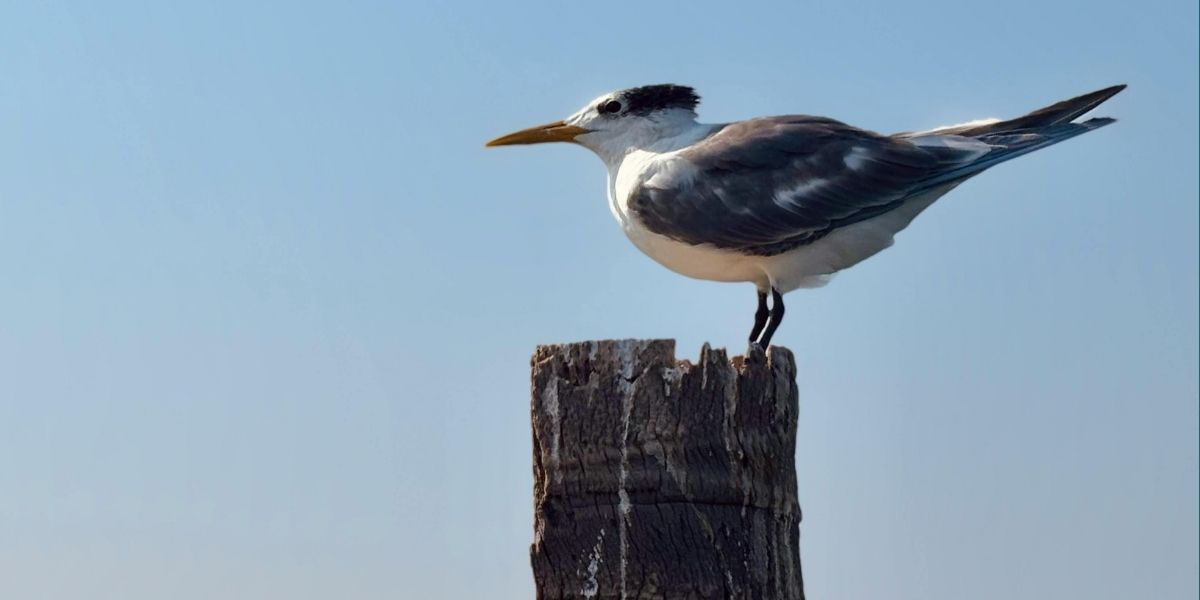
A case of H5 bird flu has been detected in a Greater Crested Tern at Forster as NSW authorities confirm eight additional events across the state.
The Forster detection is among new cases identified in Greater Crested Terns at Randwick, Cronulla, Port Botany, Milton, Berry and Kiama. A Myna at Berry has also tested positive.
The latest detections bring the number of H5 bird flu events in NSW to 40, with 542 reported across Australia.
Surveillance is continuing across NSW to identify further cases as early as possible.
Bird flu has not been detected in commercial poultry flocks or captive birds in NSW and authorities say the risk to human health remains low.
Most detections have involved various species of terns, which gather in large groups along the NSW coast, allowing the virus to spread more easily between birds.
Environment Minister Penny Sharpe said the virus remained a concern for native wildlife.
“H5 bird flu will continue to pose a serious challenge for native bird populations.” said Sharpe.
“The NSW Government is continuing targeted vaccination of vulnerable species, as well as surveillance and preparedness to reduce the risk of further impacts on our native wildlife.
“If you see a sick or dead bird, do not approach it. Record the details from a safe distance and report it through the Emergency Animal Disease Hotline.”
People in the Forster area who keep backyard poultry or pet birds are being encouraged to maintain clean housing, provide clean chlorinated domestic water and keep birds away from natural water sources.
Feed and water should be kept away from wild birds where possible and new birds should be quarantined.
Agriculture, Regional and Western NSW Minister Tara Moriarty said pet owners should also take precautions.
“Pet owners can help protect their animals by keeping cats contained, keeping dogs on a leash around wildlife, and avoiding situations where pets may come into contact with wild birds or animals.” said Moriarty.
“If you keep backyard chickens or birds, make sure feed and water are not accessible to wild birds, keep birds separated from wild birds where possible, and maintain good hygiene around enclosures.
“The most important thing is to stay alert for signs of illness in your birds and report any unusual sickness or deaths promptly to the Emergency Animal Disease Hotline, helping to protect your own animals and the wider community.”
Dog owners are being advised to keep their pets on a leash around wildlife and cats should be kept indoors or in secure enclosures.
Anyone who finds a sick or dead wild bird, domestic bird, marine mammal or other wildlife showing signs of H5 bird flu should avoid contact, record what they see from a safe distance and report it through the NSW Government’s online reporting system or the Emergency Animal Disease Hotline on 1800 675 888.
A national surveillance plan remains in place to monitor H5 bird flu and coordinate responses to further detections.
Don’t miss any of the important stories from around the region. Subscribe to our email list.