

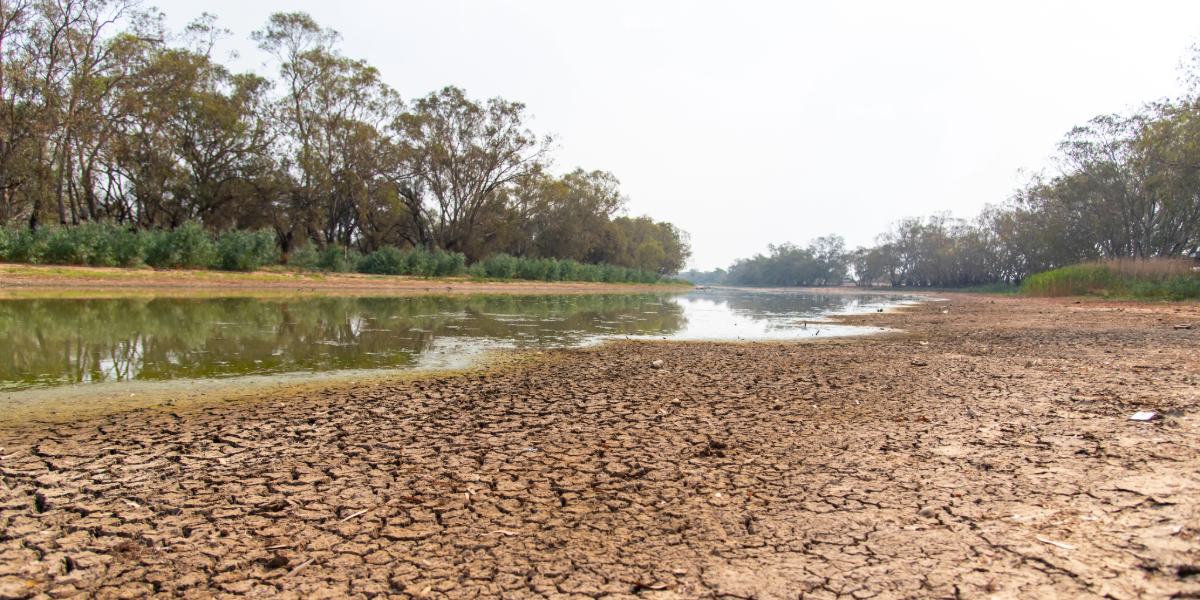
Australians are being told to brace for a “very tough summer”, with a super El Niño driving hotter, drier conditions and the Federal Government putting another $12 million into bushfire risk management and support for emergency workers.
Prime Minister Anthony Albanese announced the package at the National Situation Room in Canberra on Monday, as the high-risk weather season gets under way. The forecast of dry and hot conditions has, however, been challenged by a wet October across large parts of the country.
“I want to be clear, the advice is this could be a very tough summer indeed,” Mr Albanese said.
The biggest share, nearly $5.8 million, will go to upgrading the Australian Fire Danger Rating System (AFDRS), a change Minister for Emergency Management Kristy McBain said emergency services had long called for.
“This is a national system, and we want to make sure that wherever you are in this country, your fire danger rating is the same in each state and territory,” Ms McBain said.
Nearly $2.6 million will keep the CSIRO-managed National Bushfire Intelligence Capability running, helping identify the areas at greatest risk and guide decisions on preparedness and mitigation. Another $850,000 will continue the North Australia and Rangelands Fire Information Service (NAFI), run by Charles Darwin University, which helps Indigenous ranger groups and land managers monitor fire and reduce bushfire risk.
A further $3 million will fund mental health and wellbeing support for first responders and their families, delivered by not-for-profit Fortem, with the program extended to December 2027.
“We also recognise that our emergency services personnel need support, not just during disasters, but long after the sirens stop,” Ms McBain said.
The funding builds on more than $150 million for the national aerial firefighting fleet, with aircraft now pre-positioned around the country. New capabilities AusAlert and Temporary Disaster Roaming will also be available this season to help keep people informed and connected during emergencies.
The Bureau of Meteorology expects very much above average maximum and minimum temperatures across the entire continent this summer.
“As the Prime Minister said, we have seen a very strong El Niño develop in the Pacific Ocean and we expect that to continue through to Autumn next year,” said Bureau of Meteorology Manager, National Hazard Preparedness and Response Simon Louis.
“When we see areas with little rain, we get an increasing risk of bushfires.”
Mr Louis said the rainfall outlook for December to February was much more mixed, and October to April remained the peak period for thunderstorms, bushfires, floods, and tropical cyclones.
National Emergency Management Agency Interim Coordinator-General Pat Hetherington said preparedness was a team effort.
“If you haven’t already done so, please make sure you understand the risks in your local area,” Mr Hetherington said.
“Please talk with your family and your friends, develop a plan and be ready for what the season brings us.”
Mr Albanese urged households to pack an emergency kit, make an evacuation plan, turn on alerts, download emergency apps, and follow the advice of local authorities.
“While we cannot predict exactly when or where the next emergency or disaster will happen, Australia is well prepared, and the government stands ready to respond,” he said.
Don’t miss any of the important stories from around the region. Subscribe to our email list.