

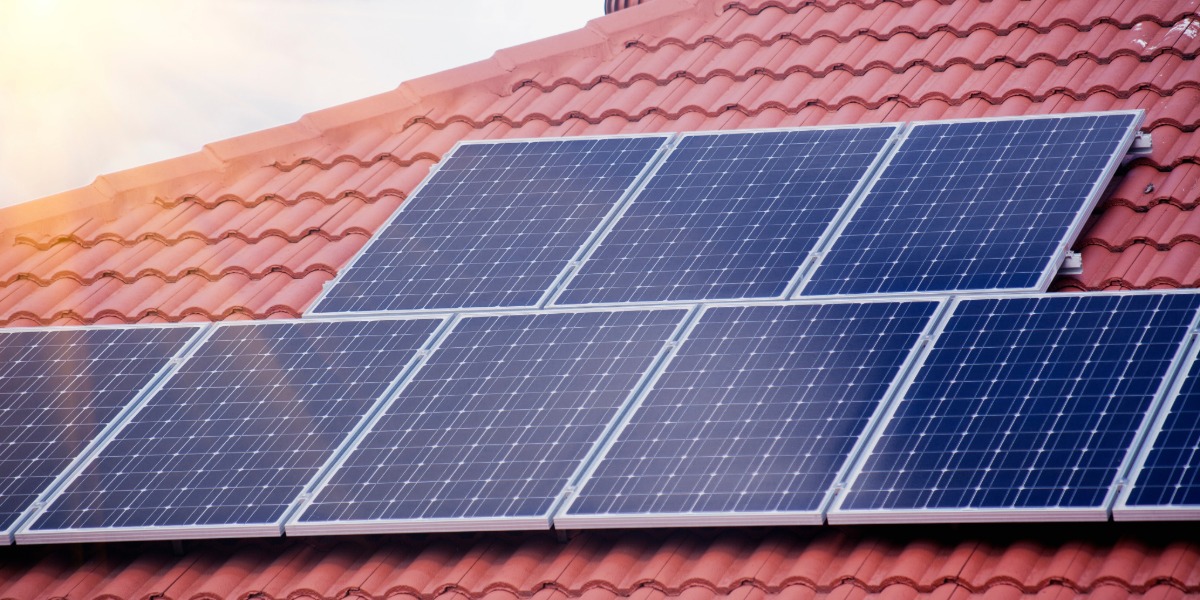
Renters across the Mid North Coast and North Coast could gain access to cheaper, cleaner energy under new proposals that would give tenants the right to use portable solar panels and batteries.
The proposed reforms, put forward by Rewiring Australia, are aimed at helping renters reduce rising power bills while improving access to renewable energy technologies already benefiting many homeowners.
Alongside the proposed “right to plug in”, the measures include minimum energy standards to help rental homes transition to electric appliances, mandatory energy performance disclosure in property advertisements, flexible finance and tax concessions for landlord upgrades, and gas bill reform requiring landlords to pay fixed connection costs.
Rewiring Australia chief executive officer Francis Vierboom said the reforms could make a significant difference for renters across the Mid North Coast and North Coast, where housing affordability pressures and high energy costs continue to impact many households.
“Currently we have an energy system where homeowners can slash their bills with solar, batteries and electric appliances while renters are left paying full price,” Vierboom said.
“That’s not fair or necessary, particularly because the technology already exists to fix it.”
About three in 10 Australians rent, but most are unable to install rooftop solar or batteries because they do not own their homes, preventing them from accessing some of the cheapest energy available.
The issue is particularly relevant in communities across Coffs Harbour, Port Macquarie, Kempsey, Lismore and Ballina, where rental demand remains high and many households face growing pressure from energy and living costs.
Under the proposals, renters would be allowed to use approved plug-in devices — including balcony solar systems, portable batteries and electric vehicle chargers — without requiring permanent changes to the property.
Vierboom said similar plug-in technologies were already widely used overseas.
“In Europe and the United States, plug-in solar is taking off because it’s simple – you can buy it, plug it in, and start saving straight away,” he said.
“Australia is falling behind because our rules haven’t kept up with what’s now possible.”
Governments are seeking to extend the benefits of cheaper renewable energy to more households, including through the new Solar Sharer Offer from July, which will provide at least three hours of free electricity in the middle of the day when solar generation is highest.
However, Vierboom said many renters risked missing out on additional savings without reform.
“Only 11 per cent of rental homes have solar, compared to nearly 50 per cent of owner-occupiers. If we’re serious about cost-of-living relief, we can’t keep ignoring them,” he said.
“This is a simple regulatory fix: update the standards, allow these devices, and make it clear landlords can’t unreasonably say no.”
The proposals form part of Rewiring Australia’s submission to the NSW Government consultation on minimum energy efficiency standards for rental homes and come amid growing momentum for rental energy reform.
In addition to reducing household bills, the changes would strengthen the energy grid by increasing distributed storage and shifting demand away from peak periods.
“This is one of those rare policies that’s good for families, good for the grid and good for the transition,” Vierboom said.
“These are all common-sense steps that would give millions of renters a fair shot at lowering their energy bills while doing their part for a cleaner, healthier planet,” Vierboom said.
Something going on in your part of the North Coast people should know about? Let us know by emailing newsdesk@nctimes.com.au