

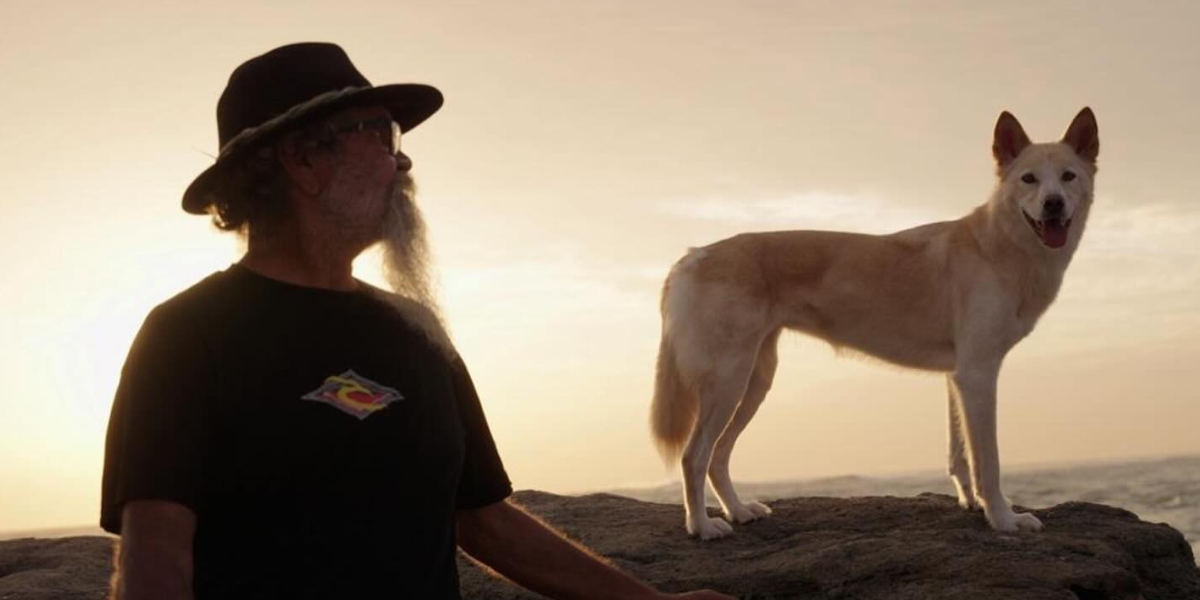
A community conversation around one of Australia’s most misunderstood animals is set to take centre stage in the Northern Rivers this month, with Defend the Wild hosting a special screening event at the Brunswick Picture House on May 17.
The event will feature two short films, Moort and Wooleen, followed by a panel discussion and audience Q&A aimed at unpacking the cultural, ecological and practical realities of dingo management.
Wildlife advocate Alix Livingstone, Founding Director and Campaign Director of Defend the Wild, is at the forefront of national efforts to reshape how Australians understand and protect apex predators. Known for leading high-impact campaigns – including Defend the Wild’s dingo advocacy featured on 7.30 and the #DropCroc campaign highlighted on The Project – Livingstone works closely with communities, landholders and policymakers to drive practical, on-the-ground solutions that benefit both wildlife and people.
Livingstone said the pairing of the films was intentional, offering audiences a broader understanding of the issue from multiple perspectives.
“These films highlight both the cultural significance of dingoes and their practical role in land management,” she said.
“Seeing those perspectives side by side really shows how important it is to work together.”
The film Moort explores the deep cultural connections between dingoes and First Nations communities, developed through a collaboration with Aboriginal organisations in Western Australia and involving ranger exchanges with Bundjalung and Far North Queensland groups.
“It highlights the cultural connection that a lot of custodians share with dingoes, but also the harm that’s been caused through dingoes being eradicated from some Country,” Livingstone said.
“While it’s focused on WA Traditional Owners, it’s very much a national story.”
The second film, Wooleen, takes audiences onto a vast cattle station in Western Australia, where the return of dingoes has had a surprising and transformative environmental impact.
“The best way I can describe Wooleen is that it’s kind of like Australia’s ‘wolves of Yellowstone’ story,” Livingstone said.
“Dingoes came back onto the property and wiped out introduced goats, reduced kangaroo numbers and helped bring the landscape back into balance.”
Livingstone said the story also highlights broader ecological flow-on effects, including improved river health and vegetation recovery.
Beyond the films, the event’s panel discussion is expected to be a key part of the evening, giving audiences the chance to engage directly with the complexities of dingo conservation.
“The Q&A works really beautifully because people get that base level understanding and then it opens the floor to discussion,” she said.
“Issues like this are often framed as ‘us versus them’, but that doesn’t get us anywhere.”
Instead, Livingstone said the focus is on collaboration – particularly between conservationists, landholders and Traditional Custodians.
“If you’re a landholder experiencing issues with dingoes, we hear you – and we need to find solutions together,” she said.
“We want to see dingoes protected in the wild, which means finding ways to protect livestock that are non-lethal. Our goals are the same.”
The screening also aims to address widespread misconceptions about dingoes, including their classification as “wild dogs” and misunderstandings about their behaviour and role in the environment.
“A lot of people don’t realise that ‘wild dog’ is just an umbrella term that includes dingoes, domestic dogs and hybrids,” Livingstone said.
“That misnomer is really harming dingoes across the continent.”
Alongside education, Livingstone hopes the event will encourage practical action, from supporting conservation efforts to engaging with policy and local decision-making.
“If people care about the issue, they can educate themselves, talk to their representatives and be part of the conversation,” she said.
“And coming along to events like this is a really important place to start.”
All funds raised from the screening will go directly towards dingo conservation.
A second screening is also planned for Evans Head, allowing more Northern Rivers residents to attend. For more information about upcoming screenings, visit the Defend the Wild website.
With powerful storytelling and a focus on shared solutions, the May 17 event is expected to draw strong community interest and spark an important regional conversation.
Tickets are on sale for the Brunswick Heads screenings now via the Brunswick Picture House website.