

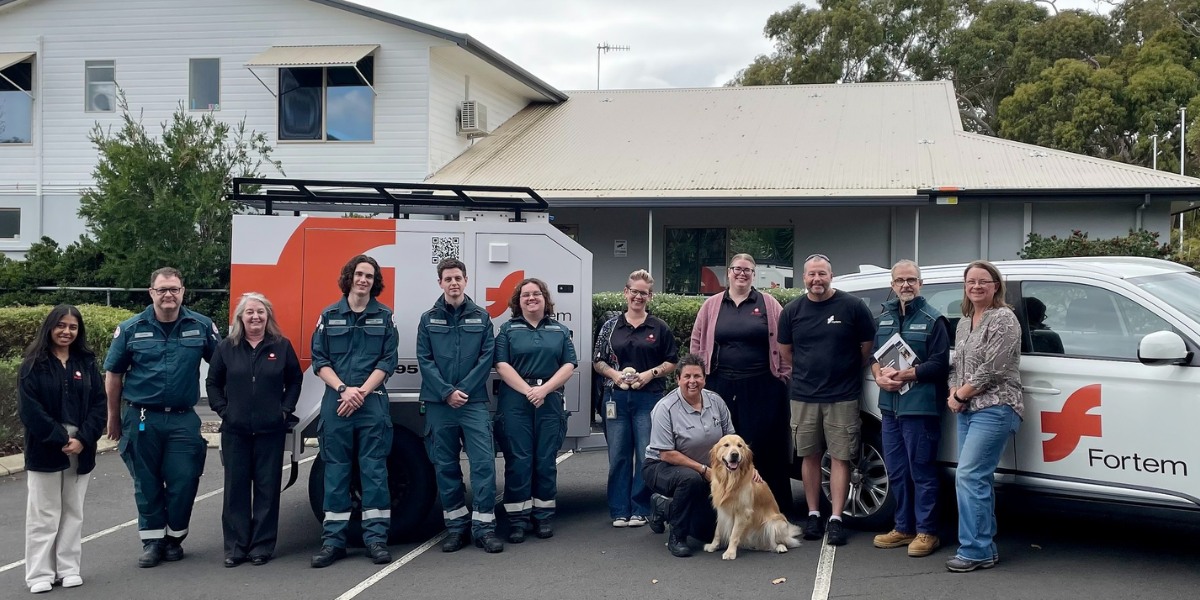
As communities across the North Coast prepare to recognise the people who respond in times of crisis, new figures reveal the lasting mental health impacts faced by Australia’s first responders long after emergency situations have ended.
Ahead of Thank a First Responder Day on June 10, national not-for-profit organisation Fortem Australia is calling on Australians to show their appreciation not only through words, but through ongoing support for emergency service personnel and their families.
The appeal comes after more than 14 million Triple Zero calls were made across Australia in 2025, reflecting a year marked by natural disasters, severe weather events, accidents and other emergencies that placed significant pressure on frontline workers.
Research cited by Fortem Australia shows one in three first responders experience high or very high levels of psychological distress linked to trauma encountered on the job, while more than half report being deeply affected by a traumatic event during their careers.
Fortem Australia Chief Executive Officer Mick Willing said the public often sees only a fraction of what emergency workers experience.
“First responders don’t just attend emergencies, they absorb them,” Mr Willing said.
“Whether it’s police arriving first at a violent incident, paramedics treating life-threatening injuries, or firefighters responding to disasters, they are stepping into the rawest moments most people will never witness.
“These aren’t one-off experiences. It’s the cumulative exposure to trauma, shift after shift, that takes a real toll.”
Recognising that those impacts can continue long after a career ends, Fortem Australia has expanded its services to include former first responders within 10 years of leaving active duty.
Mr Willing said the effects of trauma often extend beyond the individual, impacting partners, children and other family members.
“While the public focuses on the immediate danger or devastation, what’s often overlooked is that the psychological impact doesn’t end when the shift does,” he said.
“It can stay with our people, and their families, for months or even years.”
Recent independent evaluation findings by Gallipoli Medical Research found Fortem’s mental health and wellbeing programs improved health and wellbeing outcomes for 89 per cent of participants, while 93 per cent reported increased awareness and understanding of their mental health.
Since 2019, more than 25,000 first responders and family members have accessed Fortem’s services, including psychological support programs and wellbeing initiatives.
This year’s Thank a First Responder Day will be preceded by a nationwide “10 Days of Gratitude” campaign beginning on May 31, recognising the diverse roles emergency workers play, from disaster response and marine rescues to emergency call-taking and search operations.
Mr Willing said community support remained vital.
“Saying thank you is powerful, but it’s just the beginning,” he said.
“We’re asking Australians to turn that gratitude into action – whether that’s leaving a message, shouting a coffee, supporting a local initiative or donating to vital programs.
“If we want first responders to continue showing up for us, we need to show up for them too.”
Residents can leave messages of thanks and find local events marking Thank a First Responder Day on June 10. For more information vist the Fortem website.
Like what you’re reading? Support North Coast Times by making a small contribution today and help us keep delivering local news paywall-free. Donate now