

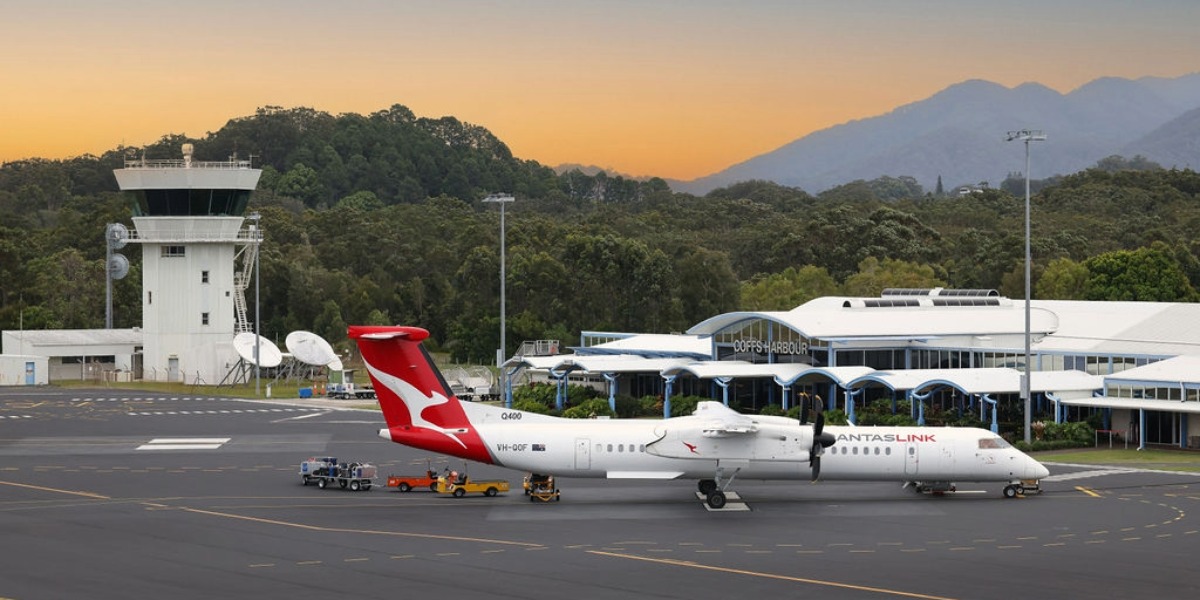
Qantas will cut domestic flights and increase fares as it grapples with a surge in global fuel costs, a move that is already hitting regional centres including Coffs Harbour.
The airline group confirmed it would reduce domestic capacity and make broader network changes as it faces a potential $800 million hit from higher fuel prices. At the same time, it is shifting resources into international routes, where demand remains strong, particularly to Europe.
The changes, which also affect budget subsidiary Jetstar, follow a sharp escalation in global oil prices after US and Israeli strikes on Iran began in late February. The cost of refining crude oil into jet fuel has more than doubled in that period, placing significant pressure on airlines worldwide.
Qantas now expects to spend as much as $3.3 billion on jet fuel in the first half of the 2025–26 financial year, up from an earlier estimate of $2.5 billion.
To manage those costs, the airline will cut domestic capacity by about five per cent in the June quarter and increase airfares, with industry estimates suggesting ticket prices could rise between five and 10 per cent.
While most of the reductions are expected to occur on major capital city routes, the impact is already being felt in regional areas, where services are fewer and alternatives are limited.
In Coffs Harbour, Qantas will temporarily suspend its direct Melbourne service from 18 May to 14 June, removing around 20 return flights from the schedule.
City of Coffs Harbour Mayor Nikki Williams said the decision would have a tangible impact on the community.
“Clearly it’s not ideal to have this disruption to our direct connection to Melbourne, even if for only a short period of time,” she said.
“It will be inconvenient for people who had booked or planned to travel to Melbourne during that window and it will also impact our inbound tourism market.”
Coffs Harbour Airport chief executive Craig Shaw said the suspension would affect about five services a week.
“Typically we have five flights a week from Coffs to Melbourne, so 20 flights will be impacted all up,” Mr Shaw said.
“There’s no indication of any reduction in the Coffs services to Sydney, and if you look at the Coffs-Melbourne tickets, they are there to be booked again from 15 June.”
Passengers will still be able to travel to Melbourne via Sydney, with Qantas offering refunds or rebooking options for affected customers.
“I understand Qantas customers who had booked to fly to Melbourne during the service suspension period will be offered a refund or the option to reroute through Sydney,” Mr Shaw said.
Mayor Williams said the City expected the airline to minimise disruption for travellers and avoid flow-on price increases on remaining routes.
“I would expect Qantas to do everything possible to look after its customers during this globally uncertain time, including minimising any flow-on effects to pricing on the Coffs to Sydney route and honouring any existing bookings to Melbourne at the same price via Sydney re-routing,” she said.
Beyond Coffs Harbour, the changes are expected to have broader implications for regional Australia, where air travel is already more expensive and less accessible than in metropolitan areas.
Federal government data shows fares on regional routes are on average significantly higher per kilometre than those between capital cities, reflecting lower competition and higher operating costs.
University of Sydney transport expert Rico Merkert said regional communities were particularly exposed when airlines cut services.
“If Qantas pulls out, that means there’s potentially no air service left,” he said.
“If there is a competitor, then they could benefit from Qantas’s decision, but I don’t see any airline having access to cheaper jet fuel.
“They will probably have to increase their fares just to stay in the game.”
At the same time as it trims domestic flying, Qantas is increasing international capacity, redeploying aircraft to routes such as Paris and Rome as travellers shift away from Middle East transit hubs.
RMIT economist Angel Zhong said the combination of higher costs and reduced capacity would likely keep upward pressure on ticket prices.
“Airfares tend to adjust quickly when costs rise, but more slowly when costs fall,” she said.
For regional communities like Coffs Harbour, the temporary loss of a key route is another reminder of how quickly global events can affect local communities.
While the Melbourne service is expected to return in mid-June, the broader shift in airline strategy raises questions about the long-term resilience of regional air services as fuel costs remain volatile.
Got something you want to say about this story? Have your say on our opinion and comment hub, North Coast Times Engage