

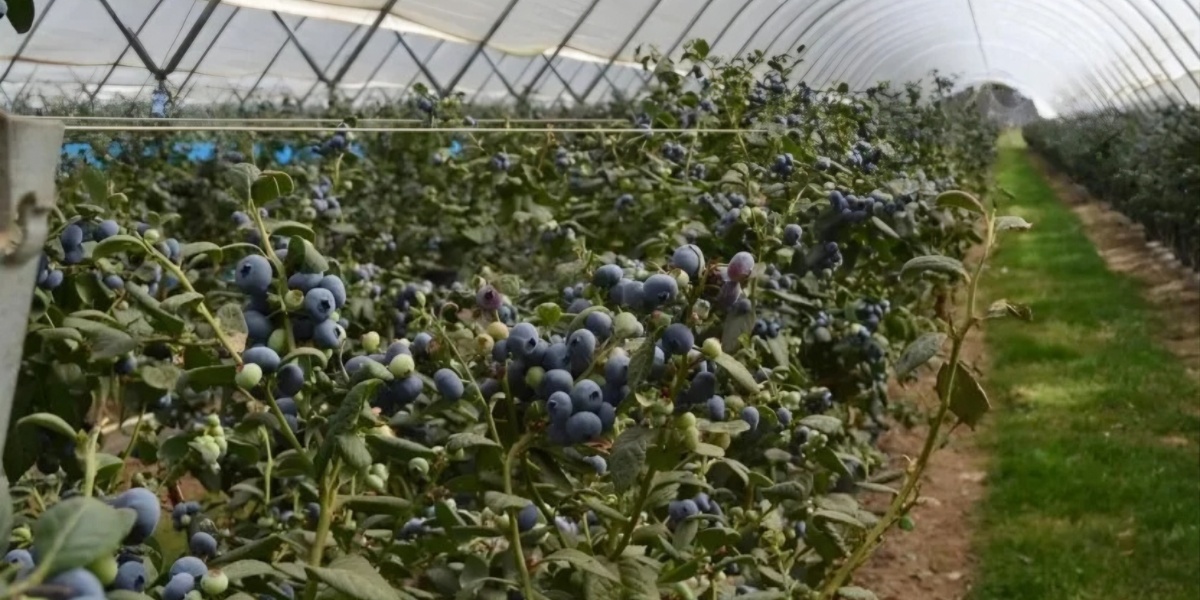
The North Coast region is at the centre of a debate over whether Development Applications (DA) should be required for polytunnels used for “intensive plant agriculture”.
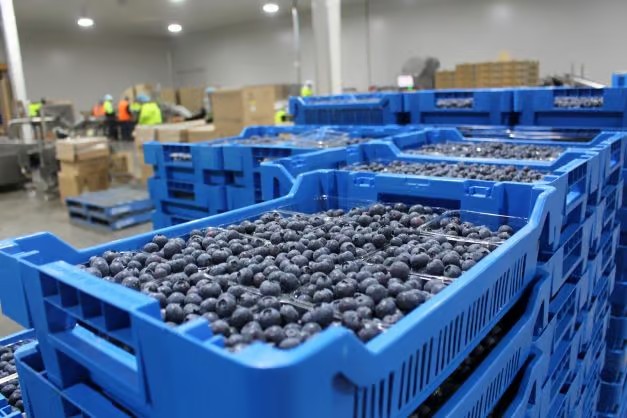
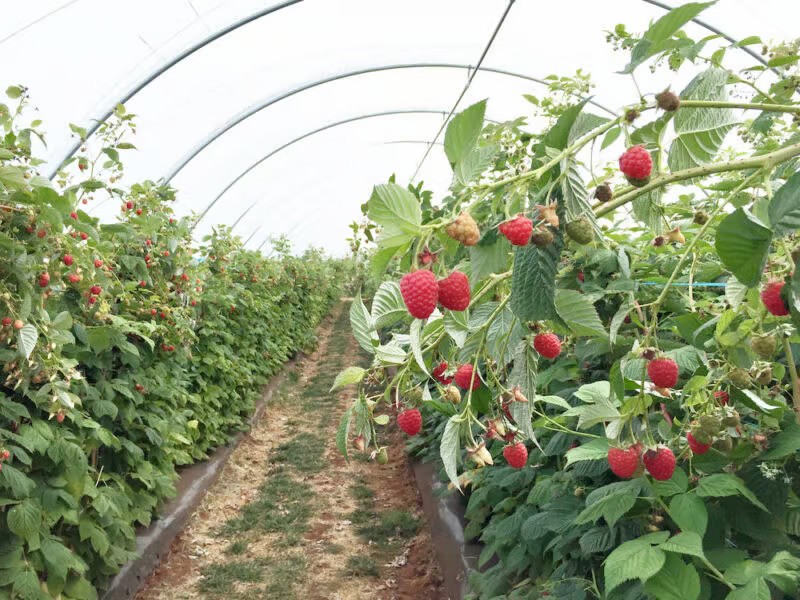
The large steel-framed and plastic-covered structures are becoming more common as more blueberry farmers diversify into raspberries, creating a dilemma for councils from the Northern Rivers down to the Macleay Valley. The North Coast region produces more than 80 per cent of Australia’s blueberries and is estimated to be worth over $500 million at the farm gate.
Late last month, the City of Coffs Harbour City Council voted against appealing a Land and Environment Court (LEC) ruling against a Council development control order (DCO) to stop polytunnel construction on a raspberry farm at Crossmaglen.
The applicants successfully challenged the DCO in the LEC on 24 January, arguing that:
“The construction of the polytunnels was not ‘building work’ as polytunnels are not ‘buildings’ under the Environmental Planning and Assessment Act 1979 (EPA Act).
“The construction of the polytunnels was not development for the purpose of ‘farm buildings’, but rather for intensive plant agriculture, which is permissible without development consent on the subject site.”
Councillors Cath Fowler and Gurminder Saro put forward the motion not to appeal the LEC decision at an Extraordinary General Meeting (EGM), citing the issue was beyond the realm of a local council.
“This is not about raspberries. If we pursue this appeal, we are effectively testing an issue that could have ramifications across the entire state,” Cr Fowler said.
“This is a matter of statewide policy significance. Other councils, including the Nambucca Valley, have recognised the complexity of how agricultural structures are treated within the planning framework.”
“This is precisely the kind of ambiguity that should be elevated at a state level. It should not be tested through expensive litigation funded by Coffs Harbour rate payers. We are stepping into a policy vacuum that properly belongs to the state government. If change is needed in the industry, it should come through transparent state planning reform, consultation and industry engagement.”
The motion had the support of Mayor Nikki Williams and was passed with a vote of five to one. Councillor Jonathan Cassel was the sole councillor voice at the EGM supporting the appeal.
“I think this ruling has holes in it. We have a great opportunity to try and develop a standard in New South Wales that we could be leading,” Mr Cassel said.
“It’s not to say that the berry industry is bad or this farmer is bad, but it means that legal parameters on how farms and polytunnels are having a negative impact on other people in the community.”
The NSW Farmers Coffs Harbour branch engaged with councillors prior to the EGM, urging them not to appeal the LEC decision. Branch spokesperson Paul Shoker said polytunnels are also used in the Coffs Coast region to grow a wide range of vegetable crops.
“Our recommendation was that council not appeal the decision. The second part was that we urge council to work closely with the industry in protecting the right to farm,” Mr Shoker said.
“It’s important for farmers to have some certainty in this space. There are some I know who have pulled down their structures because of council stop work orders.”
Greens move on north coast berry farms
The LEC ruling on polytunnels inspired Greens MP Cate Faehrmann to move a private member’s bill to give councils more power to regulate berry farms in the north coast region. Ms Faehrmann says the intense expansion of berry farms is “out of control” and “largely unregulated”.
“Across the Mid North Coast and up increasingly the Northern Rivers, the rapid expansion of intensive blueberry farms is having serious consequences for regional communities,” Ms Faehrmann said.
“Shockingly, in most areas, a development application doesn’t need to be lodged to start an intensive, large-scale berry farm, meaning that neighbouring properties – no matter how close – don’t have a say. Buffer zones between properties and waterways also don’t apply.”
In a letter to Ministers Penny Sharpe, Paul Scully, and Tara Moriarty, Ms Faehrmann has requested the mandating of buffers for intensive horticulture farms and strict controls on spraying, runoff, and irrigation.
Berries Australia has dismissed the Greens’ bill, saying the industry does operate under significant regulatory oversight.
“Multiple regulatory bodies have focused on our industry in our region and continue to do so,” said Berries Australia CEO Rachel Mackenzie.
“It should be noted that local government has the capacity to require development approvals if the Council has voted that way and the council’s application meets minimum standards around evidence and consultation and is consistent with state legislation.”
Ms Mackenzie said Berries Australia has recently launched a Good Practice Guide for growers as a useful resource for the community to understand how the industry operates and what is considered good practice.
Something going on in your part of the North Coast people should know about? Let us know by emailing newsdesk@nctimes.com.au