

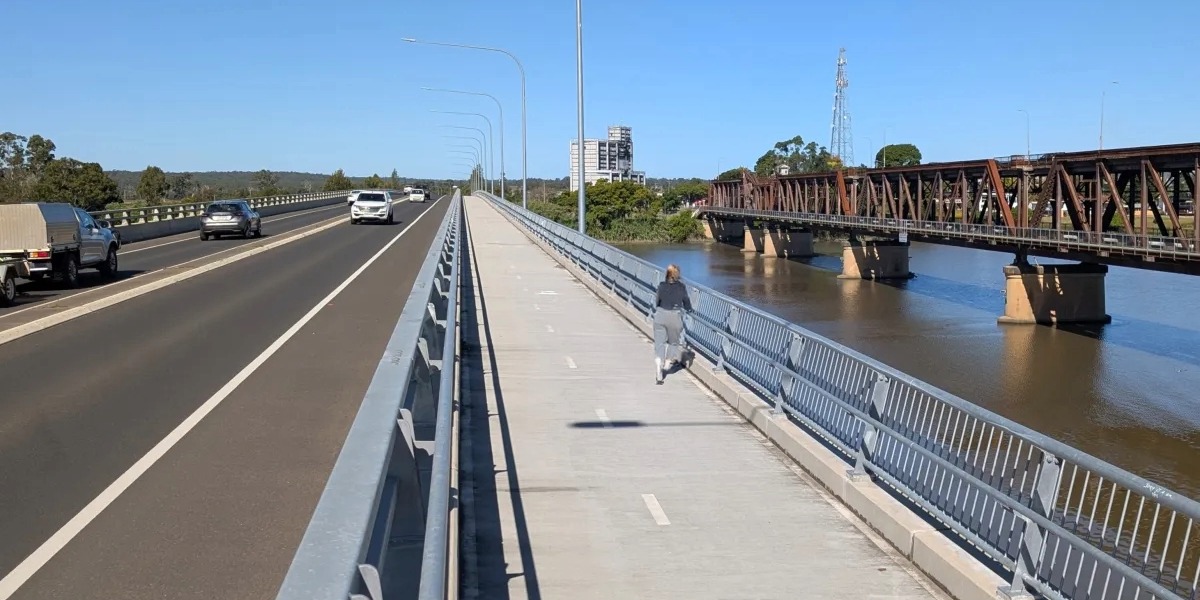
The NSW Government has released a draft 20-year transport blueprint for the North Coast, proposing improved bus services, upgraded rail connections, better freight corridors and expanded on-demand transport across the region.
The draft North Coast Strategic Regional Integrated Transport Plan is the first long-term regional transport strategy for the area in more than a decade, and covers communities from Tweed Heads to Port Macquarie. It identifies more than 50 short and medium-term initiatives aimed at improving public transport, freight movement, active transport and disaster resilience.
The plan comes as the broader regional transport picture has been thrown into uncertainty by the Federal Government’s decision to halt Inland Rail north of Parkes, a move that has undermined assumptions built into neighbouring transport plans in the New England North West, and may result in significant additional freight burden along the North Coast corridor.
Transport for NSW emphasised that the plans are drafts and subject to change, but the North Coast plan is built around a future where residents and visitors can move “safely by walking, cycling, public transport or private vehicle”, while also supporting freight and tourism growth.
Among the most significant proposals in Part 6 of the document are expanded on-demand transport services in Ballina, Byron, Coffs Harbour and Lismore, improved regional bus and coach connections, upgraded passenger rail services, and priority bus corridors designed to improve reliability and travel times.
The draft plan also flags future reviews of North Coast and interstate passenger rail services, with Transport for NSW proposing to “improve service timings and strengthen connections between communities, regional centres and capital cities”.
That could eventually mean changes to XPT timetables and improved connectivity to Sydney and Brisbane, particularly as population growth continues across the coast.
The document acknowledges the North Coast Rail Line is facing major limitations, including single-track bottlenecks, ageing infrastructure, freight-passenger conflicts and vulnerability to natural disasters.
Bus network upgrades are a major focus throughout the draft strategy.
Transport for NSW says future upgrades planned for Port Macquarie would include “cross-city services, improved frequencies and hours, better access to hospitals, employment, the airport, trains, and education, and new routes to growing areas”.
The plan also proposes reviewing and delivering outcomes from “bus integration and new bus route investigations” across key North Coast centres to improve access to healthcare, employment, tourism and education.
Community transport programs for rural and remote communities are also proposed, particularly in areas where there are limited public transport options.
The strategy identifies transport disadvantage as a major issue across the region, with heavy reliance on private vehicles and limited alternatives outside larger centres. Around 93 per cent of commuters currently travel to work by car.
The document forecasts the North Coast population will grow from around 541,000 people to approximately 585,000 by 2041, with most growth concentrated around Tweed Heads, Ballina, Coffs Harbour and Port Macquarie.
Transport for NSW says stronger east-west freight connections will also be a priority, with targeted upgrades proposed on key corridors including the Bruxner Highway, Gwydir Highway, Waterfall Way and Oxley Highway.
The draft plan repeatedly references the need for more resilient transport corridors following repeated flood and landslide events across the North Coast in recent years.
It notes that closures on the Pacific Highway often force freight and passenger traffic inland onto east-west routes crossing the Great Dividing Range, many of which are narrow, landslide-prone and unsuitable for heavy traffic volumes.
The strategy also includes proposals for expanded electric vehicle charging infrastructure, improved walking and cycling networks, and better transport access for Aboriginal communities and isolated settlements.
Minister for Regional Transport Jenny Aitchison said the plan reflected what communities had told the government they needed.
“We heard clearly that people want more travel choices, safer roads and better, more resilient connections – and this Draft Plan reflects those priorities,” she said.
Minister for the North Coast Janelle Saffin described the strategy as a “once-in-a-decade opportunity” to shape the region’s future transport network.
“This Draft Plan is about moving the North Coast forward with a clear, 20-year vision that prioritises local needs and real-world results,” she said.
The government has opened the draft plan for public consultation until June 14, with feedback being sought through an online survey, written submissions and community pop-up sessions across the region.
Like what you’re reading? Support North Coast Times by making a small contribution today and help us keep delivering local news paywall-free. Donate now