

Australia’s peak farming and bird conservation groups say a $145 million federal funding boost for the country’s bird flu response falls well short of what is needed, as the virus continues to spread through native wildlife.
The federal government this week announced the funding increase, shared equally between the Commonwealth, states and territories, bringing total investment in the H5 bird flu response to more than $270 million. Of the new funding, $125 million will go towards boosting biosecurity measures such as protective equipment and clean-up operations, with the remaining $20 million directed to supporting threatened native wildlife.
Invasive Species Council policy manager Jack Gough said the wildlife component fell well short of what was required.
“There was a strong acknowledgement at departmental ministerial level and among MPs about what was required, and what’s been delivered is a deeply unserious response to that,” Mr Gough said.
“The government’s own risk assessment has said that we will see potentially catastrophic declines of almost one in five of Australia’s mammals and birds.”
Mr Gough said the council had called for a minimum $200 million wildlife spend over two years. He said the $20 million was only slightly more than the $17 million previously cut from the Saving Native Species program before bird flu’s arrival in Australia in June, and that it largely just reversed those cuts.
The criticism follows a joint call last week from the National Farmers’ Federation and BirdLife Australia for urgent government investment in feral pest control, arguing that animals including wild pigs, deer, cats, foxes and rabbits damage agriculture and wildlife while helping spread diseases such as bird flu. The two organisations also called for increased mental health support for farmers and communities affected by the outbreak.
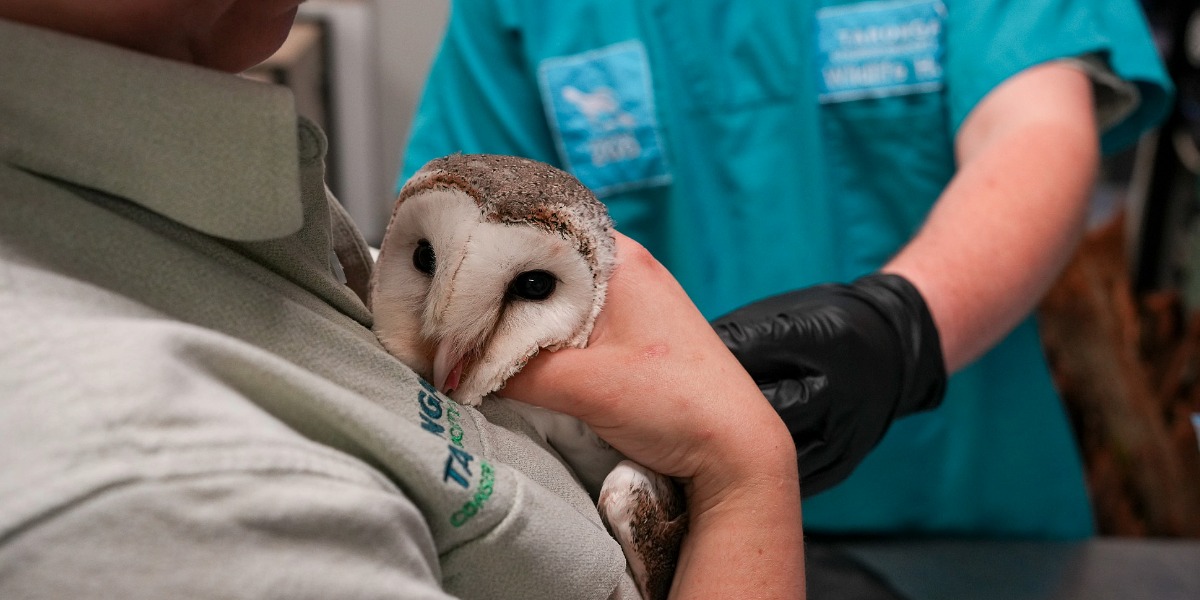
In NSW, the government has begun a targeted vaccination program for vulnerable native birds, including Little Penguins and Carnaby’s and Red-tailed Black Cockatoos, delivered through Taronga Conservation Society Australia. The two-dose vaccine trial will help build insurance populations in captivity and support monitoring of wild penguins at Manly Point.
NSW Minister for Agriculture Tara Moriarty said the state’s Emergency Animal Disease Hotline had received more than 5000 calls since June, with 13 confirmed events of H5 bird flu recorded in NSW, mostly along the far south coast.
The virus continues to widen its reach nationally. South Australia, the hardest-hit state, reported 46 new bird flu events last week, including the first detection in a common dolphin, while scientists are being withdrawn from remote Macquarie Island ahead of the seal breeding season amid fears of a mass wildlife mortality event there.
Bird flu has not been detected in commercial poultry flocks or captive birds anywhere in Australia, and authorities say the risk to human health remains low.
Anyone who encounters a suspected sick bird or marine mammal is urged to avoid contact, record what they see, and report it to the Emergency Animal Disease Hotline on 1800 675 888.
Like what you’re reading? Support North Coast Times by making a small contribution today and help us keep delivering local news paywall-free. Donate now